A Farming RPG That Turns Small Daily Choices Into a Whole Second Life
Stardew Valley is one of those games that sounds peaceful on paper and then quietly takes over your evening. I inherit an old farm, clear weeds, plant crops, water seeds, meet villagers, go fishing, explore mines, raise animals, upgrade tools, decorate the house, and somehow realize that I have created a routine I care about. It is cozy, but it is not empty. It is relaxing, but it always gives me something meaningful to do.
What makes Stardew Valley special is how naturally its systems connect. Farming earns money. Money upgrades tools. Better tools open more land and deeper resources. Relationships unlock stories. Seasons change crops and events. Mining supports crafting. Fishing fills quiet days. Every small task feels like part of a larger rhythm, and that rhythm becomes surprisingly personal.
For players looking to download, install, and play a farming RPG across supported platforms, Stardew Valley remains one of the strongest choices in the genre. It can be a cozy farming game, a relationship simulator, a decorating project, a light adventure, a fishing challenge, or a long-term village restoration story depending on how you choose to play.
The First Spring Feels Like a Gentle New Beginning
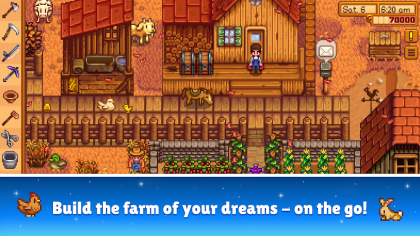
Stardew Valley begins with exhaustion from modern life and the promise of something slower. The farm is messy, the tools are basic, and the player starts with almost nothing. That rough beginning is important because every improvement feels earned. A cleared field, a few planted parsnips, and a small path beside the house already feel like progress.
I like how the first season teaches the game without feeling like a classroom. I learn that crops need water, time matters, energy is limited, shops have schedules, villagers have routines, and rain can feel like a gift because it saves effort. The game’s lessons arrive through daily life.
That first spring also creates emotional attachment. The farm is not beautiful immediately. It becomes beautiful because I work on it day after day. Stardew Valley understands the satisfaction of turning neglected land into a place that feels alive.
Farming Is Simple, Repetitive, and Somehow Deeply Rewarding
Farming in Stardew Valley is built around familiar actions: till soil, plant seeds, water crops, wait, harvest, sell, and repeat. On the surface, this is simple. In practice, it becomes a satisfying planning puzzle. Which crops should I plant? How many can I water with my current energy? Should I save money for seeds, a backpack, an animal building, or a tool upgrade?
I enjoy how farming rewards both routine and planning. A good morning rhythm feels peaceful: wake up, check the weather, water crops, collect animal products, process goods, and decide what the rest of the day should be. Over time, sprinklers, upgraded tools, and farm buildings change that rhythm in satisfying ways.
The repetition works because it creates visible progress. A seed becomes a crop. A crop becomes income. Income becomes a new project. Stardew Valley turns patience into a gameplay system.
Seasons Make Time Feel Important
The seasonal structure gives Stardew Valley much of its charm. Spring, summer, fall, and winter each have different crops, events, fish, forage items, visuals, and moods. The year feels alive because nothing stays exactly the same for too long.
I like how seasons create gentle pressure. A crop may only grow during a certain time, so planting too late can waste money. A festival may happen once a year, so missing it feels meaningful. A certain fish may appear only under specific conditions, so planning matters.
Winter is especially interesting because farming slows down and other activities become more important. Mining, fishing, socializing, upgrading tools, decorating, and planning the next year all become natural priorities. The game uses seasonal change to prevent the farm routine from becoming completely flat.
The Village Feels Small but Full of Personality
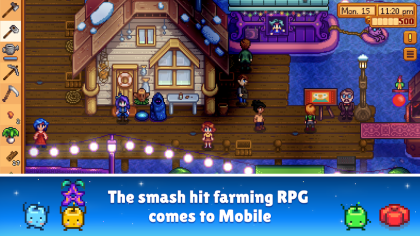
Pelican Town is not huge, but it feels memorable because the villagers have schedules, preferences, relationships, habits, and personal stories. They are not just menu buttons waiting to give quests. They move through the town, attend events, visit shops, walk near the river, and gradually reveal more about themselves.
I enjoy how relationships develop slowly. Talking every day, giving gifts, remembering birthdays, and seeing heart events creates a sense of familiarity. The villagers become part of the routine. I start knowing who likes what, who is difficult to find, and who might be standing near the saloon at night.
The writing is gentle but effective. Some characters are funny, some are lonely, some are ambitious, some are struggling, and some are simply trying to live ordinary lives. Stardew Valley gives the town enough emotional texture to make friendship feel rewarding.
Mining Adds Adventure Without Taking Over the Game
The mines give Stardew Valley a different kind of energy. Farming is calm and planned, while mining is more risky and unpredictable. I enter with a pickaxe, food, and a weapon, then try to gather ore, gems, stone, and resources while managing health, energy, and time.
I like how mining supports the rest of the game. Ore becomes tool upgrades, sprinklers, machines, and crafting materials. Gems become gifts or income. Deeper floors bring better resources. The mine is not a separate game mode thrown in randomly. It feeds the farm’s growth.
The combat is simple, but it adds just enough tension. Going one floor deeper when it is already late can feel like a bad idea, and of course I often do it anyway. That small risk makes mining a useful contrast to peaceful farming.
Fishing Is Relaxing Until It Absolutely Is Not
Fishing in Stardew Valley is one of the most debated systems because it begins awkwardly for many players. The minigame requires careful control, patience, and practice. Some fish are easy. Others bounce around like they have urgent personal business elsewhere.
I enjoy fishing because it gives quiet days a purpose. Standing near the ocean, river, lake, or mountain water while the music plays can feel calm. Catching a difficult fish, especially after several failed attempts, feels genuinely satisfying.
Fishing also adds variety through weather, seasons, locations, and time of day. It rewards players who pay attention to the world’s schedule. Like much of Stardew Valley, it seems simple, but it becomes deeper the more I care about completion and planning.
Crafting and Machines Make the Farm Feel Smarter
As the farm develops, crafting becomes more important. Chests, scarecrows, sprinklers, furnaces, preserve jars, kegs, paths, fences, machines, and decorations all help turn a messy farm into a functioning system. The farm stops being only a field and becomes a workflow.
I like how machines change the value of items. A crop can be sold immediately, but processing it may create something more profitable. This encourages planning, storage, and layout design. Suddenly, barns, sheds, and production areas become part of the farm’s identity.
This is where Stardew Valley becomes especially satisfying for players who like optimization. A casual player can keep things simple, while a planner can build efficient layouts, automate watering, organize machines, and maximize seasonal income.
Download, Install, and Play Across Supported Platforms
Players looking to download Stardew Valley should use official platforms. The safest way to install the game is through trusted app stores, console stores, PC storefronts, or verified platform pages connected to supported devices. This protects updates, saved progress, purchases, cloud options, multiplayer features, and the correct version of the game.
Before installing, I would check supported platforms, storage space, controller or touch support, multiplayer options, version details, language settings, and whether mods are supported on the platform you plan to use. Stardew Valley can feel slightly different depending on device and control style.
Players searching for a free version should be careful. Stardew Valley is generally a premium game, though discounts, bundles, subscription availability, or platform-specific promotions may appear. Random pages promising a full free install may be unsafe, incomplete, or misleading.
Unblocked Versions Cannot Capture the Real Farm Life
Searches for Stardew Valley unblocked may appear because the game looks simple and cozy enough for quick browser play. I would avoid random unblocked pages. Stardew Valley depends on saves, progression, seasons, relationships, farming systems, updates, controls, and long-term planning. A shortcut version cannot properly represent that experience.
An unblocked version may be a simple imitation, unsafe page, outdated copy, or fake download using the title for attention. It may include intrusive ads, broken saves, missing features, poor controls, or misleading buttons. For a game built around long-term progress, that is a serious problem.
I would use official platforms instead. Stardew Valley becomes meaningful because the farm grows over many in-game days, and that progress deserves a stable, safe version.
Cheats and Mods Can Expand the Game Carefully
Stardew Valley naturally attracts searches for cheats and mods because players may want more money, faster relationships, custom portraits, new crops, expanded maps, quality-of-life tools, automation, visual changes, or extra story content. This is one of the games where mods can add a lot of value when used carefully on supported platforms.
Cheats can be useful for relaxed experimentation, but they may also reduce the satisfaction of building the farm naturally. Earning the first big upgrade, completing a bundle, or saving for an expensive building feels better when it comes from steady effort.
Mods can be excellent after a first playthrough, especially for players who want fresh content or comfort improvements. Still, unofficial files should be handled carefully because they may affect stability, saved data, updates, multiplayer compatibility, or device safety. The official install is the best foundation.
Where Stardew Valley Can Feel Overwhelming
Stardew Valley is cozy, but it can still become overwhelming. There are crops to plant, villagers to meet, gifts to remember, fish to catch, bundles to complete, tools to upgrade, mines to explore, animals to care for, and festivals to attend. New players may feel like they are doing everything wrong.
The important thing is that the game rarely demands perfection. A missed birthday is not the end of the world. A bad crop choice is a lesson. A messy farm can be redesigned later. Stardew Valley is most enjoyable when I stop treating every day like an exam.
Another possible frustration is time management. The day ends quickly, and energy limits early progress. Some players may find that stressful, especially if they want to complete many tasks at once. Learning to choose priorities is part of the experience.
Why Stardew Valley Feels So Personal
Stardew Valley feels personal because the farm reflects the player’s choices. One farm may become a neat grid of crops and sprinklers. Another may become an animal-focused ranch. Another may be decorated with flowers, paths, ponds, and cozy corners. The same starting land can turn into completely different places.
I like how the game lets players choose their own pace. Some people chase profit. Some focus on relationships. Some decorate. Some fish all day. Some spend whole seasons in the mines. None of these approaches feels wrong because the game supports many definitions of progress.
That flexibility is the reason the game stays memorable. It does not only tell a story. It lets the player build one through routine, choices, and tiny daily improvements.
Who Should Play Stardew Valley
Stardew Valley is a strong fit for players who enjoy farming games, cozy RPGs, life simulation, crafting, fishing, mining, relationship building, decorating, and long-term progression. It is especially appealing if you like games that reward patience and self-directed goals.
I would recommend it to casual players, cozy game fans, completionists, farm planners, roleplayers, and anyone who wants a game that can be relaxing without feeling empty. It works well for short daily sessions, but it can also absorb hours if you start planning “just one more day.”
Players who dislike routine, pixel art, time management, or slow progression may not connect with it as strongly. But for anyone who wants a warm farming RPG full of small goals and personal charm, Stardew Valley remains one of the most beloved games in its genre.