A Battle Royale That Became a Creative Platform, Social Space, and Pop Culture Machine
Fortnite is one of those games that stopped being only a battle royale a long time ago. It began with the familiar thrill of dropping onto an island, gathering weapons, collecting resources, surviving opponents, and trying to be the last player standing. But over time, it became something much broader: a competitive shooter, a building game, a social hangout, a concert venue, a creative toolbox, a brand crossover museum, and a constantly changing online world.
What makes Fortnite appealing is how flexible it feels. I can play a traditional Battle Royale match, choose Zero Build for a more direct shooter experience, explore Creative maps, try custom modes, complete quests, unlock cosmetics, play with friends, or simply log in to see what changed. The game is always moving, and that sense of movement is one of its strongest features.
For players looking to download, install, and play a free online multiplayer game across supported platforms, Fortnite remains one of the biggest choices in gaming. It is colorful, fast, social, competitive, and constantly refreshed through events, updates, cosmetics, modes, and community-made experiences.
The Island Is More Than a Map
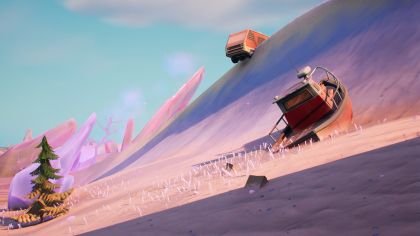
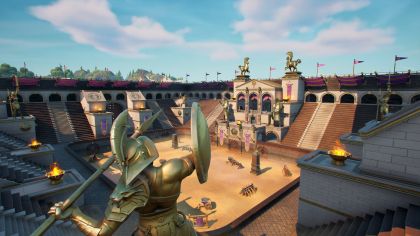
Fortnite’s island is one of the main reasons the game stays interesting. A good battle royale map needs more than empty space. It needs landmarks, routes, high ground, hiding places, open fields, towns, water, vertical spaces, and enough variety to make each match feel slightly different. Fortnite understands this well.
I like how the island encourages movement. The match begins with a drop decision, and that first choice already shapes the story. Landing in a crowded area means early pressure. Choosing a quieter spot gives more time to gather supplies. Rotating toward the safe zone creates risk, especially when other players are moving through the same paths.
The island also changes across seasons and updates, which helps prevent the game from feeling frozen. New locations, altered terrain, special objects, and event-based surprises make players curious about returning. In Fortnite, the map is not only a battlefield. It is part of the live show.
Building Gives Fortnite Its Original Competitive Identity
Building is the mechanic that made Fortnite feel different from other battle royale games. Instead of only using existing cover, players can create walls, ramps, floors, and structures instantly. This changes every fight because defense, height, escape routes, and pressure can all be created in real time.
I enjoy how building turns combat into a fast problem-solving challenge. A player who is attacked can protect themselves, gain height, reposition, or force an opponent to make a mistake. At higher skill levels, building becomes almost a language of its own, with edits, ramps, boxes, tunnels, and quick reactions shaping the fight.
That depth can also be intimidating. New players may feel overwhelmed when experienced opponents build entire structures in seconds. But for players who enjoy skill expression, building remains one of Fortnite’s most unique features.
Zero Build Makes the Game More Approachable
Zero Build is important because it gives Fortnite another identity. Without building, the game becomes more focused on movement, positioning, aim, cover, and smart rotations. This mode is especially useful for players who like Fortnite’s world and style but do not want to practice advanced building techniques.
I like that Zero Build does not feel like a weaker version of the game. It simply emphasizes different skills. Natural cover becomes more important. Crossing open ground becomes more dangerous. Movement items and positioning matter more because players cannot instantly create protection.
This mode opened the door for many players who bounced off traditional Fortnite. It proves that the game is strong enough to support multiple play styles without losing its personality.
Weapons and Items Keep Combat Fresh
Fortnite’s weapon and item pool is a major part of its identity. Assault rifles, shotguns, pistols, explosives, mobility tools, healing items, throwable objects, temporary gadgets, and special event items can all shape the rhythm of a match. A season’s item selection can make Fortnite feel faster, slower, sillier, or more tactical.
I enjoy how items create memorable moments. A mobility tool can save a bad rotation. A healing item can rescue a teammate. A strange gadget can turn a normal fight into a comedy scene. Fortnite is at its best when the item pool supports both skill and surprise.
Balance is always tricky in a game like this. Some items may feel too strong, too random, or too annoying depending on the season. But the changing sandbox is part of the reason players keep paying attention.
Cosmetics Turn Fortnite Into a Style Game
Cosmetics are a huge part of Fortnite. Skins, back blings, pickaxes, gliders, wraps, emotes, music, and other items let players express personality before the match even begins. A squad can look like superheroes, anime characters, original Fortnite characters, musicians, athletes, animals, or complete nonsense.
I like cosmetic systems when they support identity without changing core fairness. In Fortnite, a skin does not automatically make someone better at aiming or surviving, but it can make the player feel more connected to their character. Style becomes part of the fun.
The crossover culture is especially powerful. Fortnite often feels like a place where different pieces of pop culture meet in one absurd playground. Seeing wildly different characters share the same island is ridiculous, but that ridiculousness is part of the appeal.
Creative Mode Expands Fortnite Beyond Battle Royale
Creative experiences are one of the biggest reasons Fortnite feels more like a platform than a single game. Players can build maps, design modes, create obstacle courses, practice arenas, roleplay spaces, racing tracks, mini-games, horror maps, and social hangouts. This gives the community a major role in shaping what Fortnite can be.
I enjoy how Creative mode supports different moods. Sometimes I want a serious match. Sometimes I want a training map. Sometimes I want a strange custom game with friends. Creative content makes Fortnite feel broader and more flexible.
The quality can vary because community-made experiences always range from polished to rough. But the best Creative maps show how powerful Fortnite’s tools can be when creators understand pacing, visuals, and player interaction.
Playing With Friends Is the Best Version
Fortnite is fun solo, but it becomes much better with friends. Squads create moments that are difficult to script: bad drops, heroic revives, chaotic vehicle rides, terrible callouts, lucky escapes, and final-circle panic. The game is social by design, and teamwork makes the island feel more alive.
I like how different players can contribute in different ways. One teammate may be good at building. Another may be better at aiming. Someone else may handle healing, scouting, driving, or making bold decisions that are either genius or immediately regretted. The variety creates personality inside the team.
Voice chat and coordination can make a huge difference. A squad that communicates well usually survives longer than a group of players all chasing separate ideas. Fortnite rewards teamwork without making casual group play feel too strict.
Download, Install, and Play Across Supported Platforms
Players looking to download Fortnite should use official platforms. The safest way to install the game is through trusted launchers, console stores, cloud gaming options, or verified platform pages connected to supported devices. This protects updates, account access, purchases, cosmetics, saved progress, matchmaking, and the correct version of the game.
Fortnite is known as a free-to-play title, but players should still check current platform details before installing. Availability, supported platforms, storage requirements, account login, parental controls, cross-platform settings, purchases, performance, and update sizes can vary depending on device and region.
Before playing, I would check network quality, storage space, graphics settings, controller or keyboard support, voice chat settings, privacy options, and purchase restrictions. Official access is especially important because Fortnite depends on live servers, seasonal updates, account security, and online matchmaking.
Unblocked Versions Are Not the Real Fortnite
Searches for Fortnite unblocked are common because the game is popular with players who want quick access on restricted networks or shared devices. I would avoid random unblocked pages. Fortnite depends on official servers, large game files, account login, live updates, matchmaking, anti-cheat systems, cosmetics, events, and platform support.
An unblocked version may be a fake page, unsafe download, simple imitation, outdated copy, or phishing attempt using the Fortnite name for attention. It may include intrusive ads, fake V-Bucks claims, broken controls, misleading login forms, or unsafe prompts.
I would use official platforms instead. Fortnite accounts can contain purchases, cosmetics, friends, progress, and linked services, so account safety matters. A shortcut page is not worth the risk.
Cheats and Mods Can Ruin Fair Play
Fortnite naturally attracts searches for cheats and mods because some players want free V-Bucks, aim tools, wall visibility, unlocked skins, special movement advantages, or private altered versions. This is risky and damaging, especially in an online competitive game.
Cheats ruin the match for other players and can put accounts at serious risk. Fortnite works when everyone competes under shared rules, using movement, aim, building, positioning, teamwork, and decision-making. Unfair tools remove the meaning of improvement and damage the multiplayer experience.
Mods and unofficial files can also create privacy, payment, account, stability, update, or device safety concerns. Players should avoid random pages promising free V-Bucks, rare skins, private cheats, or special downloads. The official install is the safest way to play.
Where Fortnite Can Feel Frustrating
The biggest frustration in Fortnite is the skill gap. Experienced players can build quickly, edit smoothly, aim accurately, rotate efficiently, and understand the item pool better than newcomers. This can make early matches feel intimidating, especially in build modes.
The live-service structure can also feel demanding. Seasons, quests, cosmetics, events, and battle pass rewards create constant reasons to return, but some players may feel pressure to keep up. Fortnite is best when played for fun rather than as a checklist that must be completed perfectly.
Another issue is frequent change. Updates keep the game fresh, but they can also alter favorite weapons, locations, tactics, or balance. Players who prefer a stable competitive environment may find the constant evolution tiring.
Why Fortnite Still Feels Important
Fortnite remains important because it understands attention. It gives players competitive matches, casual modes, creative tools, events, cosmetics, social spaces, and seasonal surprises. There is almost always something new to see or try.
I like that Fortnite can serve many different audiences. Competitive players can chase wins. Casual players can complete quests. Creative players can build maps. Friends can hang out. Younger players can enjoy bright action with suitable settings. Streamers can find endless moments worth sharing.
The game’s greatest strength is that it refuses to stay still. That can be exhausting, but it is also why Fortnite continues to feel relevant. It is a game, a platform, and a live spectacle all at once.
Who Should Play Fortnite
Fortnite is a strong fit for players who enjoy battle royale games, colorful shooters, team play, building mechanics, Zero Build action, cosmetics, creative maps, live events, and free-to-play online competition. It is especially appealing if you like games that constantly change and offer many ways to play.
I would recommend it to friend groups, casual players, competitive players, creators, and anyone who wants a multiplayer game with strong social energy. It works well for short sessions, long nights with friends, or creative experimentation.
Players who dislike online competition, frequent updates, cosmetic shops, or steep skill gaps may not connect with it as strongly. But for anyone who wants a bright, fast, flexible multiplayer platform with huge cultural reach, Fortnite remains one of the most influential games in the world.