A Rhythm Platformer Where One Mistake Sends You Back to the Beat
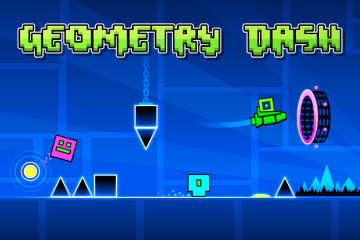
Geometry Dash is one of those games that looks simple until I actually start playing it. A small cube moves forward automatically, the music begins, spikes appear, platforms shift, portals change gravity, and suddenly every jump has to happen at exactly the right moment. The controls are minimal, but the timing is strict. That combination is what makes the game so addictive and so dangerous to my patience.
What makes Geometry Dash special is the way it connects music, level design, and muscle memory. This is not only a platformer where I jump over obstacles. It is a rhythm challenge where the song becomes part of the map. After enough attempts, I stop reacting only with my eyes and start feeling the pattern. The beat tells me when to jump, when to hold, when to release, and when the next impossible-looking section is coming.
For players looking to download, install, and play a fast rhythm platformer across supported platforms, Geometry Dash is still one of the most recognizable choices in its genre. It is easy to understand, difficult to master, and built around the powerful feeling of finally clearing a level after dozens of failed attempts.
The First Level Teaches the Whole Philosophy
Geometry Dash does not waste time explaining itself. The first level quickly teaches the rule that defines the entire game: the cube moves, and I control the jumps. That sounds simple, but the design immediately makes timing important. Jump too early, and the cube lands badly. Jump too late, and the run ends. There is very little room for hesitation.
I like how the game makes failure instant and restart painless. A mistake sends me back to the beginning, but the reset is so fast that I usually try again before I have time to complain. That quick restart loop is one of the biggest reasons Geometry Dash works. It turns frustration into repetition, and repetition into learning.
The first few attempts can feel harsh, but they also make progress visible. I reach 12 percent, then 25 percent, then 40 percent, and suddenly the level feels possible. That percentage counter is small, but it becomes a powerful motivator.
Music Is More Than Background Decoration
Music is central to Geometry Dash. The soundtrack gives levels personality, energy, and structure. A good level feels like it was built around the song, with jumps, portals, speed changes, and visual effects matching the rhythm. This makes every successful run feel like performing the track rather than simply surviving it.
I enjoy how the music helps me learn. At first, I may only see obstacles. After many attempts, I begin to associate specific sounds with specific jumps. A beat drop might mean a fast section is coming. A melody change might signal a gravity switch. The song becomes a memory map.
This connection between sound and movement is what separates Geometry Dash from many basic platformers. The best levels do not just play music while I jump. They make the music feel like part of the control system.
Simple Controls Create Brutal Precision
Geometry Dash uses very simple input, which is part of its genius. I do not need complex button combinations, camera control, inventory management, or combat systems. I tap, click, hold, or release depending on the form and section. The challenge comes from timing, not from complicated controls.
I like how that simplicity makes every mistake feel personal. The game rarely gives me an excuse. I jumped wrong, held too long, released too early, or lost focus. That can be frustrating, but it also makes success feel honest.
The strict precision is what keeps the game exciting. A level that once looked impossible becomes readable through practice. The controls stay the same, but my understanding improves. Geometry Dash is built around that transformation.
Portals Keep the Gameplay From Becoming Flat
Portals are one of the most important parts of Geometry Dash because they constantly change how movement works. The cube can become a ship, ball, UFO, wave, robot, spider, or other form depending on the level. Gravity can flip, speed can change, and the camera can shift the rhythm of play.
I enjoy these transformations because they prevent the game from becoming only a jump-over-spikes challenge. Each form has a different feel. The ship requires smooth control. The ball depends on gravity flips. The wave demands sharp angle timing. The UFO creates bouncing rhythm. Learning each form adds depth to the simple control scheme.
The best levels use portals in a way that feels musical and fair. The worst moments happen when too many changes appear too quickly without enough visual clarity. Still, the variety is essential to the game’s long-term appeal.
Difficulty Is the Main Personality
Geometry Dash is famous for being difficult, and that difficulty is not an accident. The game is designed around memorization, timing, and patience. A level may look chaotic, but after enough attempts, patterns begin to appear. The challenge is learning those patterns well enough to perform them under pressure.
I like how the game makes small improvements meaningful. Reaching a new best percentage can feel almost as good as completing a level because it proves that progress is happening. Every attempt teaches something, even when it ends quickly.
The difficulty can also be exhausting. Some players may bounce away after repeated failures. Geometry Dash is not gentle if you dislike restarting. But for players who enjoy mastery through repetition, the challenge is the whole point.
The Level Editor Gives the Game Endless Life
The level editor is one of the reasons Geometry Dash has lasted so long. Players can create custom levels, design obstacle patterns, sync gameplay to music, build visual themes, and share challenges with the community. This turns the game from a set of official levels into a platform for creativity.
I enjoy how custom levels show the community’s imagination. Some creators focus on brutal difficulty. Others build beautiful visual showcases. Some make funny gimmick levels, memory tests, speed challenges, or rhythm-heavy experiences. The variety is huge because the editor gives players tools to express their own style.
This community content also gives the game long-term replay value. Even after finishing official levels, there is always another custom level to try, another creator to follow, or another challenge that looks impossible until practice makes it real.
Visual Style Is Simple but Highly Readable
Geometry Dash has a clean, geometric visual style that fits the gameplay perfectly. Blocks, spikes, portals, pads, orbs, and backgrounds are bright and readable. This matters because the game moves quickly, and players need to understand danger instantly.
I like how the visuals can become surprisingly expressive despite the simple shapes. Official levels and custom creations use color changes, pulses, effects, decorations, and movement to create atmosphere. A level can feel futuristic, playful, intense, dreamy, or chaotic depending on how it uses those elements.
The game’s look also makes it easy to recognize. Geometry Dash has a visual identity that is simple enough for beginners but flexible enough for advanced creators.
Download, Install, and Play Across Supported Platforms
Players looking to download Geometry Dash should use official platforms. The safest way to install the game is through trusted app stores, PC storefronts, or verified platform pages connected to supported devices. This protects updates, saved progress, achievements, online levels, account access, and the correct version of the game.
Before installing, I would check supported platforms, storage space, account options, level editor access, online features, performance, and current version details. Geometry Dash has different entries and related versions, so players should make sure they are downloading the exact one they want.
Players searching for a free version should be careful. Some official lite or demo-style options may exist depending on platform availability, but random pages promising a full free install may be unsafe, incomplete, or misleading. Official access is the best way to avoid fake copies.
Unblocked Versions Are Usually Limited or Risky
Searches for Geometry Dash unblocked are common because the game is popular in schools and shared-device settings. I understand why players look for quick browser access, especially since the controls seem simple. Still, unblocked versions are often limited or unreliable.
An unofficial unblocked page may include copied levels, broken controls, poor performance, intrusive ads, fake buttons, or unsafe prompts. It may not support proper saves, online levels, the level editor, account progress, music sync, or current updates.
I would avoid suspicious unblocked shortcuts and use official platforms instead. Geometry Dash depends heavily on timing and music sync, and a poor version can make the game feel unfair for the wrong reasons.
Cheats and Mods Can Change the Challenge Completely
Geometry Dash naturally attracts searches for cheats and mods because players may want unlocked icons, practice tools, level shortcuts, custom textures, easier completion, or special editor features. I understand the curiosity because the game can be extremely difficult and the community is very creative.
Cheats can remove the main satisfaction. Geometry Dash feels rewarding because completion comes from practice, timing, and focus. If a level is cleared through shortcuts, the achievement loses its weight. The best moment in the game is reaching the end because I actually learned the level.
Mods can be useful for visual customization or advanced community tools when used carefully, but unofficial files may affect stability, saved data, account safety, updates, or device security. For most players, the official install is the safest starting point.
Where Geometry Dash Can Feel Frustrating
The biggest frustration in Geometry Dash is repetition. Restarting from the beginning again and again can become exhausting, especially when a difficult section appears late in a level. Practice Mode helps, but normal completion still demands consistency.
Some levels can also feel visually overwhelming. When decoration becomes too intense, it may be harder to read hazards clearly. Good level design balances style and readability, but not every custom level succeeds.
Another challenge is the skill gap. Experienced players may clear levels that look impossible to newcomers. That can be inspiring, but it can also feel intimidating. Geometry Dash rewards patience more than casual guessing.
Why Geometry Dash Still Feels Addictive
Geometry Dash works because progress is always measurable. Even when I fail, I usually know whether I got farther than before. That small improvement keeps me trying. The game turns every attempt into training, and every new best percentage into proof that the level can be beaten.
I like how the soundtrack adds emotional momentum. A difficult section feels better when it matches a strong beat. A successful run feels almost like finishing a performance. The combination of music, memory, and precision gives Geometry Dash a unique energy.
The community keeps that energy alive. With custom levels, icons, challenges, and creative designs, the game continues to feel active long after the official stages are completed.
Who Should Play Geometry Dash
Geometry Dash is a strong fit for players who enjoy rhythm games, precision platformers, difficult challenges, short attempts, music-based gameplay, custom levels, and skill improvement through repetition. It is especially appealing if you like games where every mistake teaches timing.
I would recommend it to players who enjoy learning patterns, chasing completion percentages, building custom levels, or testing reflexes in short bursts. It works well for both quick sessions and long practice runs, depending on mood.
Players who dislike repetition, strict timing, or sudden failure may not connect with it as strongly. But for anyone who wants a sharp, music-driven platformer with endless community content, Geometry Dash remains one of the most addictive games in its category.