
A Tiny Island Where Ordinary Life Becomes Absurd
Tomodachi Life™: Living the Dream is the kind of game that makes me smile because it understands how strange everyday routines can become when they are placed inside a cheerful simulation. At first glance, it looks simple: create characters, place them on an island, watch them live, talk, eat, argue, sing, fall in love, and develop odd little habits. But the real appeal comes from how unpredictable those moments feel. One minute I am giving someone a new outfit, and the next I am watching a bizarre friendship drama unfold over soup, dreams, or a completely ridiculous musical performance.
What makes the game stand out is that it does not try to be a realistic life simulator. It is closer to a social toy box. The islanders, often represented through Mii-style characters, behave like exaggerated versions of people I might know, famous figures I might recreate, or strange original personalities I invent for fun. Their lives are small, but their reactions are dramatic enough to make the island feel alive.
I like games that let me create stories without forcing me through a strict campaign, and Tomodachi Life™: Living the Dream fits that mood perfectly. It is not about mastering difficult controls or chasing a traditional ending. It is about checking in, seeing what happened, helping characters with little problems, and enjoying the unexpected comedy that appears when a group of digital personalities share one island.
The First Apartment Already Feels Like a Stage
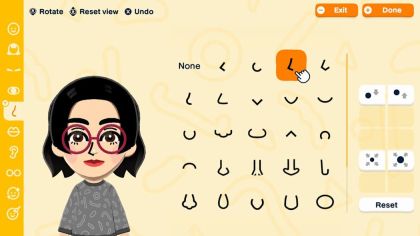
The game begins with character creation, and that is where its personality starts to form. I can design residents, adjust their voices, choose traits, and give them a place to live. The process is easy to understand, but it has enough options to make each resident feel distinct. A character’s voice, expression, clothing, and personality settings all shape how I imagine them before they even start interacting with others.
Once the first residents move into their apartments, the game becomes a series of small visits. I check who is hungry, who wants advice, who needs a new outfit, who has a question, and who is involved in some minor emotional crisis. These problems are rarely complicated, but they are often funny because the characters treat them with complete sincerity.
The apartment building works like a theater of tiny scenes. Each room may contain a different mood. Someone might be dancing alone. Someone else might be lying on the floor thinking about snacks. Another resident may ask whether they should become friends with someone. The game’s charm comes from moving between these spaces and finding small surprises.
Character Personalities Make the Island Feel Personal
The personality system is one of the most important parts of Tomodachi Life™: Living the Dream. Residents do not feel identical because their behavior, speech patterns, and social tendencies are shaped by the traits I assign. A confident resident may behave differently from a relaxed one. A shy character may create different social situations than someone energetic.
I enjoy how the game turns these simple traits into ongoing island drama. Friendships form, misunderstandings happen, crushes appear, and residents ask for guidance. The player does not control everything directly, which is important. I can influence the island, but I cannot fully script it. That gap between control and surprise is where the game becomes entertaining.
The best moments usually happen when the game creates a situation I would never have written myself. Two unlikely residents become close friends. A character delivers a strange confession. A group performs a song with lyrics that sound like they were assembled during a fever dream. These events make the island feel like it has its own personality beyond my planning.
Comedy Comes From Taking Silly Things Seriously
Tomodachi Life™: Living the Dream is at its funniest when it treats ridiculous situations as normal life events. The residents may ask for food with great urgency, complain about tiny issues, dream about surreal scenes, or perform dramatic speeches about everyday topics. The humor is gentle, weird, and often completely unexpected.
I think this style works because the game never seems embarrassed by its own silliness. It commits fully. A character can sing an absurd song with complete confidence. Another can react to a disliked food as though the world has personally betrayed them. A simple outfit change can feel like a major event because the resident responds with such exaggerated charm.
The humor also becomes stronger when I use characters based on people I know. Seeing a friend, family member, or fictional personality behave strangely on the island can be hilarious. The game gives players tools to make personal comedy, and that is much more memorable than generic jokes.
Daily Check-Ins Create a Relaxed Rhythm
This is not a game I want to rush. Tomodachi Life™: Living the Dream works best as a daily check-in experience. I visit the island, see who needs help, collect rewards, buy food or clothing, observe relationships, and leave knowing something strange may happen next time. That rhythm feels comfortable and low-pressure.
The pacing is important because the game is built around observation. If everything happened at once, the island would lose its sense of routine. Instead, events unfold gradually. A friendship might begin one day and deepen later. A resident might develop feelings after several interactions. New locations and activities give the island more life over time.
I like how the game respects short sessions. I can play for a few minutes and still see something amusing. At the same time, I can stay longer if I want to customize characters, shop for items, arrange interiors, or watch performances. It fits both quick visits and relaxed longer play.
Food, Clothes, and Interiors Give Progress a Playful Shape
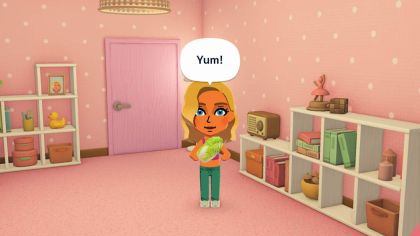
The item systems are simple, but they add a lot of personality. Food reveals preferences, clothing changes how residents look, and interiors give apartments more character. I enjoyed testing different foods just to see reactions. Some residents love certain meals, while others respond with dramatic disappointment. These little reactions make gift-giving feel more entertaining than a basic menu action.
Clothing is also a major part of the fun. A formal outfit can make a character look dignified. A silly costume can completely change the mood. Because the residents continue living their little lives while wearing whatever I give them, the island gradually becomes a gallery of my questionable fashion decisions.
Interiors work in a similar way. Giving a resident a room style can strengthen the joke or match their personality. A calm character might get a peaceful space, while a chaotic resident might receive something much stranger. These choices do not need to be strategic to feel satisfying. They make the island more personal.
Music and Performances Add a Weird Creative Layer
One of my favorite parts of Tomodachi Life™: Living the Dream is the performance system. Watching residents sing is already amusing, but the ability to customize lyrics makes it even better. The game becomes a tiny comedy concert where my characters perform songs that can be sweet, ridiculous, or intentionally awkward.
This feature works because it gives the player creative input without making the process difficult. I can write lyrics, assign performers, choose a style, and then watch the results. The voices and animations add extra humor, especially when the performance includes characters who look completely unsuited to the song.
The music sections help the game feel more like a sandbox than a strict life sim. They create a reason to return not only to manage residents, but also to make something funny. That creative layer gives Tomodachi Life™: Living the Dream a lot of personality.
Download, Install, and Play on Supported Platforms
Players searching for Tomodachi Life™: Living the Dream download options should focus on official platforms and supported releases. Because Nintendo-related titles are tied closely to specific hardware and digital services, the safest way to install or access any version is through legitimate platform options available in your region.
The game’s style is especially well suited to portable play. Short check-ins, quick interactions, and daily island updates feel natural on handheld platforms. I can imagine checking on residents during a break, adjusting a few items, then returning later to see what changed. This structure makes the game feel personal and easy to revisit.
Players searching for a free way to play should be careful. If a page promises a free download outside official platforms, it may not be safe or reliable. A game built around saved residents, personal creations, and long-term island development deserves a stable version. A clean official install is the best way to protect progress and avoid problems.
Unblocked Searches Do Not Fit This Kind of Life Sim
Searches for Tomodachi Life™: Living the Dream unblocked may appear because many players look for quick access to popular games. But this is not a simple browser title that works well as a random unblocked page. The experience depends on saved data, character creation, personal island progress, and platform features.
An unblocked version may be incomplete, unstable, or misleading. It might not preserve progress properly, and it may not represent the real game experience. For a life simulation game, that is a major issue because the emotional value comes from returning to the same characters over time.
I would avoid questionable unblocked pages and stick with supported platforms. Tomodachi Life™: Living the Dream is enjoyable because the island becomes personal. That personal progress needs stability.
Cheats and Mods Can Change the Tone Too Much
Like many simulation games, Tomodachi Life™: Living the Dream attracts interest around cheats and mods. I understand why. Players may want more money, unlocked items, special outfits, unusual character options, or faster progress. Still, I think shortcuts can reduce some of the game’s charm.
The pleasure of the game comes from gradual discovery. A new item, a new relationship, a new location, or a strange new scene feels better when it appears naturally. If cheats unlock everything instantly, the island may lose part of its sense of surprise.
Mods can be interesting for players who enjoy customization, but unofficial files require caution. They may create stability issues, affect saved data, or conflict with platform rules. Since this game depends so much on personal creations, I would rather protect the island than risk losing progress for a quick modification.
Why the Game Feels Different From Other Life Sims
Tomodachi Life™: Living the Dream is not like a traditional life simulator where I carefully manage every schedule and need. It is looser, sillier, and more observational. I am not controlling every action. I am guiding, responding, and watching.
This makes the game feel more like a comedy aquarium. I place the residents in the world, feed them, dress them, support their relationships, and then watch what happens. The characters are simple, but their unpredictable combinations create memorable events. That gives the game a distinct identity.
The lack of heavy pressure is refreshing. There is no need to optimize every choice. I can make decisions because they are funny, cute, strange, or personal. The game gives permission to play without chasing perfection.
Where the Experience Can Feel Limited
The biggest limitation is that Tomodachi Life™: Living the Dream depends heavily on the player’s enjoyment of small events. If someone wants intense action, deep strategic systems, or a large open world, this game may feel too light. Its strengths are charm, humor, and personalization, not mechanical complexity.
Repetition can also appear after many sessions. Residents ask for help, request food, form relationships, and perform activities in patterns that eventually become familiar. The game stays fun when I keep adding new characters, trying new items, and creating my own jokes. Without that personal input, it can feel slower.
Availability may also be a concern depending on platform support. Players should confirm where and how the game can be accessed before searching for download or install options.
Who Should Play Tomodachi Life™: Living the Dream
Tomodachi Life™: Living the Dream is a strong fit for players who enjoy character creation, light simulation, comedy, customization, and daily check-in gameplay. It is especially appealing if you like watching strange social situations develop between characters you created yourself.
I would recommend it to players who enjoy relaxed games with personality. It is not demanding, but it is memorable. The fun comes from the residents and the stories that form around them. If you enjoy making your own cast and watching them behave in unpredictable ways, this game has a lot to offer.
Players who need constant goals or advanced challenge may not connect with it as strongly. Tomodachi Life™: Living the Dream is more like a playful island diary than a traditional mission-based game.