A Blue, Busy Reboot With a Pop-Star Spark
I watched The Smurfs Movie 2025 with the feeling that this little blue world was trying to reintroduce itself to a generation raised on faster jokes, louder animation, and family movies that jump between fantasy and real-world chaos without blinking. The Smurfs have always been simple on the surface: tiny blue characters, mushroom houses, cheerful village life, one defining personality per character, and Gargamel causing trouble from the edges. This version keeps that recognizable foundation but gives it a glossier, more musical, more modern energy.
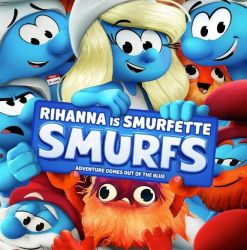
What interested me most was how the film uses Smurfette as the emotional and visual center. Rihanna’s voice performance gives the character a confident, smooth presence, and the movie clearly wants her to feel like more than the classic “girl Smurf” role. She becomes a leader, a rescuer, and the one who has to hold the group together when Papa Smurf is taken. That choice helps the film feel less like a simple village adventure and more like a story about identity, courage, and the question of what makes each Smurf matter.
Smurfette Steps Into the Lead Role
Smurfette is the strongest idea in the film because she carries both nostalgia and reinvention. I liked seeing her placed at the center of the rescue mission rather than being treated as decoration inside the group. Her role gives the story a clearer emotional shape. Papa Smurf’s disappearance creates the crisis, but Smurfette’s response gives the movie its direction.
Rihanna’s casting brings obvious star energy, and the film leans into that. Smurfette feels polished, self-possessed, and slightly more glamorous than the other Smurfs around her. That could have made her feel disconnected from the village, but the movie works best when it uses that confidence as part of her leadership. She is not simply cooler than everyone else. She is trying to guide a chaotic group through a problem that is bigger than their normal mushroom-house routine.
No Name Gives the Story Its Identity Question
James Corden’s No Name is built around a very Smurfy problem: what happens when everyone else has a clear label, and you do not? I liked that idea because it touches the heart of the Smurfs as a concept. Most of them are defined by one trait, one job, one habit, or one personality joke. No Name’s lack of definition becomes both comedy and insecurity.
The character works best when the film lets him feel genuinely unsure of his place. In a village where everyone seems to know exactly who they are, not having a name is not a small issue. It means not having a role. The movie turns that into a child-friendly identity story. No Name has to discover that purpose is not always assigned from the outside. Sometimes it appears through action, friendship, and the moment when someone chooses to help even before they know what title fits them.
Papa Smurf Is the Missing Heart of the Village
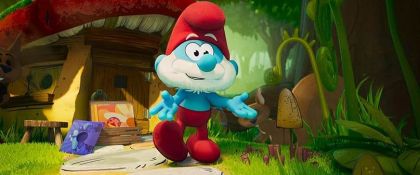
John Goodman’s Papa Smurf brings warmth and authority, even when the plot removes him from the village for much of the story. I liked that his absence matters. Papa Smurf is not only the oldest figure or the one with the beard and wisdom. He is the emotional center that makes the Smurf community feel safe.
When he is taken by Gargamel and Razamel, the village loses its sense of order. That gives the younger and more chaotic characters room to step forward. A rescue story is a simple structure, but it suits the Smurfs because the community depends so much on togetherness. Saving Papa Smurf is not only about rescuing one character. It is about protecting the village’s memory, guidance, and sense of home.
Gargamel and Razamel Bring Double Wizard Trouble
Gargamel remains one of those villains who works because he is ridiculous before he is frightening. JP Karliak voices both Gargamel and Razamel, which gives the villain side a heightened comic rhythm. I liked the idea of pairing Gargamel with another wizard because it makes his usual obsession feel part of a larger magical problem.
Gargamel is funniest when he is overconfident and clearly not as impressive as he thinks. Razamel adds a new layer of scheming energy, making the threat bigger without losing the goofy texture that belongs to the Smurfs. The villains do not need to become dark or complex to work here. They need to create trouble, misunderstand their own brilliance, and give the Smurfs enough danger to make teamwork feel necessary.
The Real World Gives the Smurfs a Bigger Playground
The move into the real world changes the scale of the story. I always find this kind of contrast useful for the Smurfs because their size becomes funnier and more dramatic outside the village. Everyday objects become enormous. Human spaces become obstacle courses. A street, a room, a vehicle, or a snack can suddenly feel like a full adventure when the heroes are tiny.
What I liked is that the real-world setting gives the movie more visual variety. The Smurf village is cozy and iconic, but a full feature needs movement. Taking the characters beyond their mushroom homes allows the film to stage bigger chases, stranger encounters, and jokes based on scale. The challenge is keeping the Smurfs’ identity intact while moving them into a louder environment. The movie is strongest when it lets their tiny community values survive the larger chaos.
The Animation Is Glossy, Bright, and Very Toy-Like
The visual style is colorful and highly polished. The Smurfs themselves look soft, rounded, and expressive, with enough texture to feel modern but enough simplicity to remain recognizable. I liked how the blue skin, white hats, mushroom houses, magical effects, and bright environments create an easy visual identity. Children can read the world instantly.
The movie’s animation has a toy-like shine that suits the franchise’s playful tone. Nothing is too rough or frightening for long. Even danger has a bouncy, family-friendly shape. That makes the film accessible, though sometimes the polish can make the world feel a little too smooth. I preferred the scenes where the village had more cozy detail: little paths, tiny interiors, handmade objects, and the feeling of a community built at Smurf scale.
The Village Still Has the Best Comfort
Even though the film expands into larger spaces, the Smurf village remains the most charming location. I liked the mushroom houses, bright greenery, tiny bridges, communal energy, and the sense that every character has a small place inside a shared rhythm. The village works because it feels like a child’s idea of a perfect hidden world: small, safe, colorful, and just organized enough to be funny.
The village also helps explain why the rescue matters. Without that home base, the Smurfs could become only a group of blue characters bouncing through jokes. The village gives them belonging. It tells me what they are protecting. When Papa Smurf is gone and the group leaves familiar ground, the story carries that home feeling with them like a little blue lantern.
The Musical Energy Gives the Movie Its Modern Push
The musical side of the film is one of its biggest attempts to feel fresh. Rihanna’s involvement makes the soundtrack part of the movie’s identity, and the songs bring a pop-forward energy that separates this reboot from older Smurfs adaptations. I liked the idea of using music to make the world feel more lively and current.
The songs work best when they connect to character rather than arriving only as shiny breaks in the action. Smurfette’s musical presence makes sense because Rihanna’s voice brings natural confidence. The film feels more coherent when the music supports the story’s themes of identity, courage, and togetherness. In a world as bright as the Smurfs’, music can fit naturally, but it still needs emotional purpose.
The Humor Is Fast, Broad, and Built for Young Viewers
The comedy is energetic and broad, often aimed clearly at children. I liked some of the fast visual jokes, especially when the film uses the Smurfs’ small size or their personality-based names for quick laughs. A group like this is built for easy comedy because every Smurf can become a joke machine. One is nervous, another is dramatic, another is practical, another is odd, and the village becomes a tiny factory of reactions.
The humor is less effective when it feels too random or too crowded. The film sometimes wants to keep every moment moving, which can make quieter jokes disappear quickly. Still, the best comedy comes from simple Smurf logic: little characters taking big situations very seriously, villains overplaying their own greatness, and No Name trying to find his place in a group where everyone else seems branded from birth.
The Theme of Identity Is Simple but Useful
The film’s clearest emotional idea is identity. What defines a Smurf? Is it a name, a role, a skill, a personality, a village, or the choice to help others? I liked that the movie turns a very basic franchise feature into a story question. The Smurfs have always been named by traits, so No Name’s uncertainty gives the film a natural emotional problem.
This theme is easy for younger viewers to understand. Children often wonder what they are good at, where they fit, and whether they need a clear label to matter. The movie answers in a gentle way: belonging does not depend on having everything figured out. A person can still be important while discovering who they are. That message fits the Smurfs because their world is based on community before individual greatness.
Smurfette’s Leadership Gives the Group Direction
Smurfette leading the mission gives the movie a stronger center than it might have had otherwise. I liked that she is not only reacting to trouble. She becomes the one who pushes the group forward, makes decisions, and keeps the rescue focused. That makes her feel more active than some earlier versions of the character.
Her leadership also changes the group dynamic. The other Smurfs may bring jokes, panic, skills, or confusion, but Smurfette gives them purpose. She is confident enough to take charge, but the film is more interesting when it lets her rely on others too. Leadership in a Smurf story should not mean doing everything alone. It should mean helping a messy community move together.
The Supporting Smurfs Add Color Around the Edges
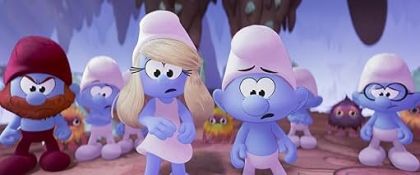
The supporting Smurfs bring much of the movie’s texture. Their names, voices, habits, and quick reactions create the feeling of a larger village beyond the main characters. I liked when the film gave them small moments that showed personality without stopping the story. The Smurfs work best as an ensemble because their world is built from many tiny differences inside one shared community.
Some supporting characters naturally stand out more than others, while a few remain mostly background flavor. That is almost unavoidable in a film with so many named personalities. Still, the variety helps keep the screen lively. Even when the plot is focused on Smurfette, No Name, and Papa Smurf, the village energy depends on the sense that every little blue character has a role, even if that role is mostly to react dramatically.
The Fantasy Rules Are Loose in a Very Smurfy Way
The movie does not treat magic as something that needs heavy explanation, and I think that mostly fits the franchise. Smurfs has always been a fairy-tale world where potions, wizards, spells, strange creatures, and hidden places can appear as needed. I liked that loose quality when it made the adventure feel playful rather than overcomplicated.
At the same time, the story works better when the emotional rules are clearer than the magical ones. I do not need every spell explained, but I do need to understand what the characters want and why it matters. The film is strongest when the fantasy chaos serves a simple emotional line: Papa Smurf is gone, Smurfette must lead, No Name must discover his value, and the village must stay united beyond fear.
The Villains Are Funniest When They Fail With Confidence
Gargamel and Razamel fit the movie’s comic tone because they are dangerous mainly through persistence and magical ambition, not through genuine sophistication. I liked their exaggerated villain energy. They make grand plans, speak with theatrical importance, and behave as if everything is under control even when the situation is clearly slipping away.
That kind of villainy suits a children’s fantasy comedy. The audience can enjoy the threat without the film becoming too intense. Gargamel especially has always been funniest when his obsession with the Smurfs makes him look small. The more seriously he takes himself, the more ridiculous he becomes. Razamel helps increase the scale, but the best villain moments still come from overconfidence crashing into Smurf-sized resilience.
The Real-World Adventure Sometimes Crowds the Charm
The movie’s bigger scale brings energy, but I sometimes found myself wanting more time in the quieter Smurf spaces. The real-world adventure gives the film movement, but the Smurfs are most distinctive when their tiny culture is allowed to breathe. Their village, rituals, friendships, and personality-based comedy are what separate them from any other animated group.
When the film becomes too busy, some of that charm gets buried under speed and noise. Still, the contrast between the village and the outside world has value. It shows how small the Smurfs are physically and how large their courage has to become. I liked the moments when the characters carried village values into unfamiliar places, proving that home is not only a location but a way of caring for each other.
The Voice Cast Gives the Film a Big, Celebrity-Friendly Texture
The voice cast is packed with recognizable names, and that gives the film a broad pop-cultural surface. Rihanna, John Goodman, James Corden, Nick Offerman, Sandra Oh, Octavia Spencer, Nick Kroll, Hannah Waddingham, and others create a busy vocal world. I liked how the cast helps the movie feel large and varied, even when the Smurfs themselves share a unified visual design.
The risk with a star-heavy animated film is that voices can feel like celebrity labels rather than characters. The movie works best when the performers disappear into the personalities. John Goodman brings natural warmth to Papa Smurf. Rihanna gives Smurfette cool confidence. James Corden gives No Name comic insecurity. JP Karliak brings elastic villain energy to Gargamel and Razamel. Those contrasts help the film’s ensemble stay lively.
The Message of Community Remains the Franchise’s Best Ingredient
Under the pop songs, real-world chaos, wizard trouble, and bright animation, the Smurfs still work because of community. Their village is built on the idea that different personalities can live together, irritate each other, help each other, and still belong to the same home. I liked that this theme remains visible in the 2025 film.
The rescue mission depends on that shared spirit. Smurfette may lead, No Name may search for identity, and Papa Smurf may represent the heart of the village, but no Smurf matters alone. The group’s strength comes from connection. That is a simple message, but it fits the franchise perfectly. The Smurfs are tiny, but their collective energy is what makes them feel bigger than the dangers around them.
The Best Moments Remember the Smallness
What I enjoyed most were the moments that remembered how small the Smurfs are. Their size is not only a visual gag. It is the key to their charm. A human object can become a mountain. A room can become a landscape. A chase can turn into a miniature obstacle course. That sense of scale makes their bravery feel playful and impressive at once.
The movie’s larger fantasy stakes are useful, but the Smurfs do not need to become enormous to matter. Their appeal comes from tiny characters facing a huge world with cheerful determination. The film is strongest when it trusts that smallness instead of trying to overpower it. A Smurf adventure should feel like a big quest made out of little bodies, little houses, little jokes, and surprisingly large hearts.
A Reboot That Works Best When It Lets the Village Sing
The Smurfs Movie 2025 is at its most enjoyable when it combines bright animation, musical energy, Smurfette’s leadership, No Name’s identity search, and the cozy logic of a village where everyone has a place even before they fully understand it. The story can feel crowded, and the modern pace sometimes rushes past the gentler charm that made the Smurfs memorable in the first place, but the film still finds warmth in its rescue mission and its belief in belonging.
I liked the idea that a Smurf is not only a name or a role. A Smurf is part of a community, part of a shared promise to help, laugh, sing, and keep going even when wizards, real-world confusion, or self-doubt get in the way. That idea gives the reboot its sweetest center. The blue village may be small, but when the film lets its characters care for one another without irony, it remembers why this world has lasted for so long.