
A Dark Fantasy RPG That Feels Built Around Hunger and Choice
The Blood of Dawnwalker immediately gives me the impression of a fantasy game that wants its darkness to feel personal rather than decorative. The title alone suggests a character caught between worlds, and that idea creates a strong foundation for an action RPG built around power, survival, time, and moral pressure. I do not imagine this as a bright heroic journey where every decision is clean. I imagine it as a story where every advantage has a cost, every alliance feels uncertain, and every step forward leaves a mark.
What makes The Blood of Dawnwalker interesting to me is the potential tension between humanity and something more predatory. A protagonist shaped by blood, night, transformation, or supernatural inheritance gives the game room for both dramatic combat and intimate storytelling. I want to feel strong, but not safe. I want abilities that make me dangerous, but I also want the story to question what that danger means.
This kind of game works best when the fantasy world is not only a backdrop. It needs villages with fear in the air, nobles with secrets, roads that feel unsafe after sunset, and characters who react differently depending on what they believe the Dawnwalker is becoming. If the game leans into that identity, it can become more than another sword-and-magic adventure.
The Dawnwalker Concept Gives the Hero a Sharp Identity
The strongest hook is the central figure. A Dawnwalker sounds like someone trapped between light and darkness, between ordinary life and supernatural instinct. That creates a great role-playing fantasy because it does not make the hero simple. I am not only playing as a warrior. I am playing as someone whose body, powers, and reputation may all create conflict.
I like RPGs where the main character’s abilities are connected to the story. If The Blood of Dawnwalker uses its supernatural theme well, combat skills, dialogue choices, and progression could all reflect the same internal struggle. A powerful ability might solve one problem while creating another. A merciful choice might preserve humanity but close off a more ruthless path. That kind of tension can make the role-playing feel meaningful.
The game also has room for a strong emotional arc. A character who gains power through a curse, ritual, infection, bloodline, or ancient force should not treat it like a simple upgrade tree. The best version of this premise would make every new ability feel exciting and slightly uncomfortable.
A World That Should Feel Old, Frightened, and Beautiful
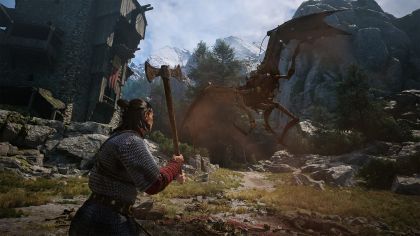
For The Blood of Dawnwalker to work, the world needs atmosphere. I picture ruined castles, wet forests, candlelit interiors, plague-marked villages, old chapels, mountain roads, and noble courts where everyone smiles too carefully. The setting should feel lived in, but also wounded. Dark fantasy becomes stronger when the world looks beautiful enough to save and cruel enough to fear.
Aesthetically, this is the kind of game that can use contrast well. Dawn and night should feel different, not just visually but emotionally. Daylight could bring politics, investigation, travel, and social tension. Night could bring stronger powers, worse danger, and stranger encounters. If the game creates a rhythm between these moods, exploration could feel much richer.
I would also want strong environmental storytelling. A burned farm, an abandoned shrine, a locked cellar, or a noble’s private letter can say more than a long speech. The Blood of Dawnwalker has the kind of title that suggests history, secrets, and old violence. The world should reward players who slow down and read the spaces carefully.
Combat Needs Weight, Speed, and Consequence
The combat should not feel like generic fantasy action. If I am playing a Dawnwalker, I want movement and attacks to reflect that identity. Swordplay could be grounded and brutal, while supernatural abilities add speed, tracking, blood magic, shadow movement, or temporary transformations. The best system would make me feel powerful without turning every encounter into effortless routine.
I would enjoy combat built around preparation and timing. Human enemies could require parries, spacing, and careful use of stamina. Supernatural enemies could demand special tools, signs, rituals, or abilities. Larger threats should not only be damage sponges. They should change the way I move through the battlefield.
The game could also benefit from a risk-reward structure. Maybe certain powers make combat easier but affect reputation, hunger, morality, or story outcomes. That would make each encounter more interesting. I would not only ask which skill is strongest. I would ask whether using it is worth the cost.
Role-Playing Choices Should Feel Uncomfortable
The Blood of Dawnwalker has the potential to be strongest when choices do not feel clean. In a dark fantasy RPG, the best decisions are often the ones that leave me unsure. Do I protect a village that fears me? Do I trust a noble who offers safety for the wrong reasons? Do I use forbidden power to save someone quickly, knowing it may change how others see me?
I like role-playing games that let me define a character through behavior rather than only dialogue. The Dawnwalker could be compassionate, cold, practical, angry, restrained, or increasingly monstrous depending on choices. That kind of character shaping makes the story feel personal.
Consequences are essential. If the game offers moral decisions, they should affect quests, relationships, locations, and future options. A strong RPG does not need every choice to change the entire world, but it should make me feel that people remember what I did.
Characters Should Be More Than Quest Dispensers
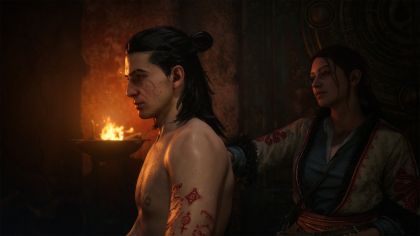
A game like this needs memorable supporting characters. Hunters, priests, healers, cursed nobles, old friends, suspicious villagers, rival supernatural beings, and political figures could all create pressure around the protagonist. I want companions and major NPCs who have their own beliefs about what the Dawnwalker represents.
The best supporting characters would not simply approve or disapprove in obvious ways. A friend might fear the hero but still remain loyal. An enemy might understand the curse better than anyone else. A mentor might hide the truth. A victim might demand justice that comes at a terrible price. These dynamics would make the world feel morally alive.
Romance or close friendship could also work well if handled with restraint. A supernatural protagonist often creates emotional distance, and that distance can make relationships more interesting. Trust should feel earned, not automatic.
Download, Install, and Platform Expectations
Players searching for The Blood of Dawnwalker download options should focus on official platforms when the game is available. A dark fantasy RPG with modern visuals, story systems, and progression should be installed through trusted stores connected to supported platforms. That is the safest way to receive updates, proper files, and stable access.
This is not the type of game I would expect to treat as a random free browser title. If free trials, demos, or special access options appear, they should be checked only through official sources. A suspicious free install page can create safety problems or provide something that does not represent the real game.
Before trying to download or install The Blood of Dawnwalker, I would check supported platforms, storage needs, edition details, controller support, and current release information. For a story-heavy RPG, a clean official setup matters because performance, saved progress, and updates are part of the experience.
Unblocked Searches Do Not Fit This Kind of RPG
Searches for The Blood of Dawnwalker unblocked may appear because popular game titles often attract shortcut pages. I would avoid that route. A game like this is not designed for simple unblocked browser access. It needs full platform support, proper controls, game files, saved data, and likely significant performance resources.
An unblocked page claiming to offer the game would probably be incomplete, misleading, or unsafe. Even if it loads something with a similar name, it would not provide the intended experience. Dark fantasy atmosphere, combat systems, cinematic scenes, and RPG decisions cannot be properly delivered through a random shortcut page.
If I wanted to play The Blood of Dawnwalker properly, I would use official platforms only. The game’s appeal depends on immersion, and unstable access would weaken that immediately.
Cheats and Mods Could Change the Tone Too Much
Searches for cheats and mods are natural for a dark fantasy RPG. Players may want altered difficulty, extra resources, new outfits, visual changes, or different combat settings. I understand the interest, especially if the game offers a large world and deep progression.
Still, cheats could reduce the tension if they remove risk too early. The Blood of Dawnwalker sounds like the kind of experience where danger and limitation matter. If the player becomes unstoppable from the beginning, the emotional pressure of being hunted, feared, or transformed becomes weaker.
Mods may be interesting on platforms that support them, especially for visual adjustments or quality-of-life improvements. But unofficial files should be handled carefully. They may affect stability, saved data, performance, or updates. For a first playthrough, I would choose the official version and experience the intended balance before changing anything.
Why the Day and Night Structure Could Be Its Best Feature
The title makes me think a lot about time. Dawn is not just a visual moment. It is a boundary. If The Blood of Dawnwalker uses a day and night system meaningfully, that could become the game’s signature feature. Daytime could limit certain powers but open social routes. Night could increase danger while unlocking darker abilities.
This would make planning more important. I might choose to investigate a town during daylight, then return at night for a more dangerous path. Certain NPCs could appear only at specific times. Some enemies could change behavior after sunset. Quests could have deadlines or different outcomes depending on when I act.
A strong time system would make the world feel alive. It would also support the central fantasy of being caught between two states. I would not only play through the story. I would feel the clock pressing against my choices.
Where the Game Could Struggle
The biggest risk for The Blood of Dawnwalker is overpromising choice without making it matter. Dark fantasy RPGs live or fall on consequence. If decisions only change a few lines of dialogue, the premise may feel less powerful than it should.
Combat balance is another concern. If supernatural abilities are too strong, the game may lose tension. If they are too restricted, the Dawnwalker fantasy may feel underused. The ideal balance would make power tempting but not careless.
The world also needs strong pacing. A grim atmosphere can become tiring if every scene has the same emotional weight. The game needs quiet moments, strange humor, beauty, and human warmth to make the darker material stand out.
Who Should Play The Blood of Dawnwalker
The Blood of Dawnwalker should appeal most to players who enjoy dark fantasy RPGs, morally complex stories, supernatural protagonists, atmospheric worlds, and action combat with role-playing depth. If you like games where power comes with consequences, this title has a very strong premise.
I would recommend it to players who enjoy exploring old-world fantasy settings filled with secrets, political tension, and dangerous choices. It also sounds appealing for anyone who wants a protagonist with a sharper identity than the usual blank adventurer.
Players who prefer lighthearted fantasy, simple progression, or fully casual play may find the tone too heavy. But for those who want a darker RPG about blood, identity, and survival between night and dawn, The Blood of Dawnwalker has the ingredients for something memorable.