A Return to the Spire With Sharper Cards and Meaner Choices
Slay the Spire 2 is the kind of sequel that instantly makes me think about risk, patience, and one more run after I promised myself I was done. The original formula already had a dangerous elegance: climb a strange tower, build a deck from uncertain rewards, fight unusual enemies, collect relics, and hope that my decisions form something powerful before the Spire tests every weakness. With Slay the Spire 2, the appeal is not only in returning to that structure, but in seeing how far the idea can be stretched without losing what made it so addictive.
What I want from a sequel like this is not a completely different identity. I want the same tense decision-making with new pressure points. I want cards that make me rethink old habits, enemies that punish lazy patterns, relics that change the entire direction of a run, and characters that force me to build in unfamiliar ways. Slay the Spire 2 has the potential to do exactly that because the core idea remains one of the strongest in modern roguelike deck-building.
For players searching for a game to download, install, and play across supported platforms, Slay the Spire 2 stands out because it does not depend on spectacle alone. It is a strategy game where every card pick matters, every route has consequences, and every victory feels like the result of many small decisions rather than one lucky moment.
The Best Runs Begin With Bad Options
One of the things I love about Slay the Spire as a concept is that it rarely gives me a perfect path. Slay the Spire 2 should keep that uncomfortable feeling alive. The best deck-building runs often begin with awkward rewards, strange relics, and routes that do not match my original plan. That is where the game becomes interesting. I am not simply building the deck I want. I am building the deck the Spire allows me to build.
This kind of design makes every run feel like a negotiation. Maybe I want a clean defensive setup, but the game keeps giving me aggressive cards. Maybe I find a relic that rewards risk, so I start taking a path I would normally avoid. Maybe a weak early deck suddenly becomes strong because one card changes the entire shape of my strategy.
Slay the Spire 2 works best when it makes me adapt instead of repeat a memorized formula. If I can use the same approach every time, the game loses tension. If each run asks me to think again, the climb stays fresh. That is the heart of the experience.
Deck-Building That Feels Like Solving a Moving Puzzle
The deck-building in Slay the Spire 2 is the main reason I would keep returning. A good card game is not only about powerful cards. It is about relationships between cards. A simple attack card can become valuable if it supports the right relic. A defensive card can define an entire run if it pairs with energy gain or card draw. A strange card that looks weak at first can become the centerpiece of a build later.
I like that this style of game rewards restraint. New players often want to take every exciting card, but a bloated deck can become unreliable. Sometimes the best decision is to skip a reward. Sometimes removing a bad card matters more than adding a flashy one. Slay the Spire 2 should preserve that discipline because it is one of the reasons the series feels so thoughtful.
The most satisfying moments happen when the deck starts to click. I draw the right cards in the right order, energy lines up, relic effects trigger, enemies fall into the pattern, and what once looked like a messy pile becomes a machine. That transformation is the real reward.
Characters Should Change More Than the Artwork
A major part of Slay the Spire 2’s appeal will depend on its playable characters. Each character needs a unique rhythm, not only a different portrait and card set. The best roguelike deck-builders make a character feel like a new rulebook. One may reward steady blocking and careful damage. Another may thrive on self-risk, poison, discard effects, stance changes, summons, or resource manipulation.
I enjoy characters that force me to abandon comfort. If I play a new character and try to use the same habits from another one, I should struggle. That friction is valuable. It teaches me to read cards differently and reconsider what a good deck even means.
Slay the Spire 2 has room to make each character more expressive through animation, card flavor, and relic interaction. I want to feel that a character’s personality exists in the mechanics. A calm strategist should not play like a reckless brawler. A strange mystical figure should not feel like a basic damage dealer with different colors.
The Spire Needs to Feel Familiar but Not Safe
The setting matters more than it may appear. Slay the Spire works because the tower feels odd, hostile, and full of rules I only half understand. Slay the Spire 2 should keep that eerie personality while adding new surprises. The world does not need long cutscenes to feel alive. Enemy designs, event text, relic names, background art, and strange encounters can do a lot of storytelling with very little explanation.
I would like the sequel to make each act feel distinct. The early climb should test basic deck direction. The middle areas should pressure consistency. Later sections should expose every weakness I ignored. If the map design supports that escalation, each run can feel like a real journey rather than a set of random rooms.
The aesthetic should keep that hand-drawn, slightly unsettling charm. Slay the Spire is not beautiful in a glossy way. It is memorable because it looks strange. Monsters feel odd. Relics feel ancient. Events feel suspicious. That weirdness is part of the identity, and I would not want the sequel to sand it down too much.
Relics Are Where Runs Become Personal
Relics are some of the most exciting rewards in this type of game because they can change my priorities instantly. A relic may make cheap cards better, encourage risky routes, reward shops, improve defense, increase energy, or make a strange strategy suddenly viable. In Slay the Spire 2, relic design could decide how creative each run feels.
I like relics that create questions rather than simple upgrades. A small damage boost is useful, but a relic that changes how I value cards is more interesting. If a relic makes me reconsider the entire deck, it becomes a story. I remember runs where one item pushed me into a build I never would have chosen on my own.
The best relics also create temptation. Should I take a difficult elite fight because my relic setup could handle it? Should I visit a shop now or save money for later? Should I build around a risky effect because the payoff might be huge? Slay the Spire 2 should lean into that kind of pressure.
Combat Is About Reading the Future
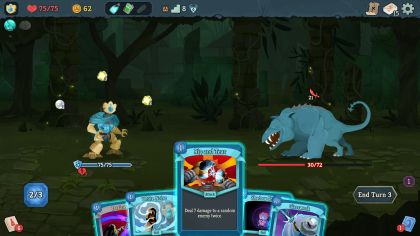
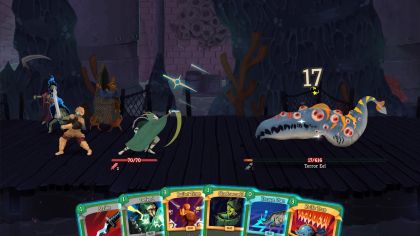
Combat in Slay the Spire 2 is not only about the current turn. It is about preparing for the next one. I need to read enemy intentions, count energy, plan card draw, manage resources, and decide whether to defend now or push for damage before the situation gets worse. That constant forecasting makes each fight feel active even without real-time action.
I enjoy how a single decision can echo across several turns. Spending all energy on offense might end a fight faster, but it could leave me exposed. Playing too defensively might preserve health now but allow the enemy to scale out of control. The game is strongest when there is no obvious answer.
Boss fights should emphasize this tension. A good boss does not simply have more health. It demands a deck that can solve a specific problem. Can I handle status cards? Can I survive burst damage? Can I deal enough pressure before the boss becomes too strong? These questions make the climb meaningful.
Download, Install, and Play Across Supported Platforms
Players looking to download Slay the Spire 2 should use official platforms when the game is available. A deck-building roguelike with updates, balance changes, saved progress, and possible community features should be installed through trusted storefronts. That is the safest way to receive the proper version and avoid unreliable files.
Before trying to install Slay the Spire 2, I would check supported platforms, system requirements, controller support, and current release details. Games in this genre often work well on both desktop and portable systems because the turn-based structure fits short sessions as well as long runs.
Players searching for a free version should be careful. If demos, trials, or limited free access are offered, those should come through official sources. Random free download pages can be unsafe or misleading. A clean official install is the best way to protect progress and enjoy the intended balance.
Unblocked Versions Do Not Offer the Real Climb
Searches for Slay the Spire 2 unblocked may appear because deck-building games seem simple enough for browser-style play. But a proper version depends on balance, saved runs, updates, card interactions, and platform support. A random unblocked page would not be the ideal way to experience a game built on careful tuning.
Unblocked versions can be incomplete, outdated, or unsafe. They may not include the real card pool, proper relic behavior, current balance, or stable saving. For a game where every decision depends on accurate systems, that matters a lot.
I would avoid questionable unblocked shortcuts and use official platforms instead. Slay the Spire 2 is about learning systems over time, and that learning only feels worthwhile when the version is stable and legitimate.
Cheats and Mods Can Change the Game in Opposite Ways
Cheats and mods are common search topics for games like Slay the Spire 2, but they affect the experience very differently. Cheats can remove the pressure that makes the game satisfying. If I can force the perfect deck, unlimited resources, or guaranteed rewards, the climb loses its tension. The fun comes from uncertain options and difficult adaptation.
Mods, on the other hand, can be interesting if the game supports community creativity. New cards, characters, relics, challenges, and visual changes can extend replay value. Still, unofficial files should be treated carefully because they may affect stability, saved data, or balance.
For a first playthrough, I would stay with the official version. Learning the intended systems is part of the reward. After that, mods may be appealing for players who want fresh challenges, but cheats would likely make the game less memorable.
Why Failure Is Part of the Appeal
Slay the Spire 2 should not be afraid to let me lose. In fact, losing is essential. A failed run teaches me what my deck lacked. Maybe I had damage but no defense. Maybe I relied on one combo that appeared too rarely. Maybe I avoided card removal for too long. Maybe I took a greedy route and paid for it.
This makes the game rewarding even when I do not win. Each run gives information. I learn which cards are better than they first appear, which enemies demand respect, and which relics can support unusual strategies. The climb becomes a conversation between failure and improvement.
I like games that make me think after losing. Slay the Spire 2 has the potential to do that beautifully. A defeat should make me want to start again, not because I feel cheated, but because I know exactly one decision I want to handle differently next time.
Where the Sequel Could Struggle
The biggest challenge for Slay the Spire 2 is expectation. The original game became a standard for roguelike deck-building, so the sequel must feel fresh without damaging the formula. Too little change could make it feel unnecessary. Too much change could weaken the elegant structure that made the first game so strong.
Balance will also be critical. If certain cards, relics, or characters become too dominant, the sense of discovery can shrink. If too many options feel weak, experimentation becomes frustrating. The best version of Slay the Spire 2 needs a wide space of viable ideas, not one obvious path.
Another risk is complexity. More cards and systems can add depth, but they can also create noise. The game should remain readable. I want hard decisions, not confusion for its own sake.
Who Should Play Slay the Spire 2
Slay the Spire 2 should appeal most to players who enjoy roguelikes, deck-building, turn-based strategy, and games where planning matters more than reflexes. If you enjoy making difficult choices with limited information, this is exactly the kind of game that can take over your evenings.
I would recommend it to players who like replayable games with strong systems. It is not about one fixed campaign path. It is about hundreds of possible runs, each shaped by cards, relics, route choices, and mistakes. That makes it ideal for players who enjoy learning through repetition.
Players who prefer cinematic stories, fast action, or guaranteed progress may not connect with it as strongly. Slay the Spire 2 is about uncertainty, adaptation, and the pleasure of turning imperfect rewards into a deck that somehow survives the climb.