
A Multiplayer Social Horror Game Built Around Suspicion, Teamwork, and One Very Untrustworthy Friend
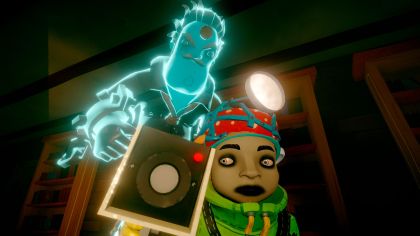
Secret Neighbor is the kind of multiplayer horror game that works best when everyone starts accusing everyone else. On the surface, it looks like a group of kids sneaking into a creepy neighbor’s house, searching for keys, unlocking doors, and trying to reach the basement. But the real twist is that one player is secretly the Neighbor in disguise, pretending to help while quietly working against the group. That single idea turns every match into a mix of cooperation, panic, and betrayal.
What makes Secret Neighbor appealing is not only the horror setting. It is the social pressure. I can never fully trust what I see. A teammate may be carrying a key because they want to help, or they may be leading everyone into danger. Someone who sounds useful may suddenly separate the group. Someone who looks suspicious may actually be innocent. The game is strongest when doubt spreads through the team faster than the Neighbor can move.
For players looking to download, install, and play a multiplayer horror game across supported platforms, Secret Neighbor offers a playful but tense experience. It combines stealth, scavenging, class abilities, house exploration, social deception, and quick decision-making. It is not the deepest horror game ever made, but it has a memorable hook that can create excellent moments with the right group.
The Secret Role Makes Every Match Different
The main reason Secret Neighbor works is the hidden-role structure. Most players are children trying to work together, while one player secretly has another goal. This creates instant uncertainty. Even before anything frightening happens, the group already has a problem: trust is dangerous, but teamwork is necessary.
I like how this design changes normal co-op behavior. In a regular cooperative game, sharing information is always good. In Secret Neighbor, information can be used against the group. Telling someone where a key is located might help the team, or it might give the disguised Neighbor a perfect chance to interfere.
This makes communication important but risky. Players need to talk, watch, question, and remember behavior. Who was alone too long? Who avoided helping? Who took a key and vanished? The game becomes a detective story created by the players themselves.
The House Feels Like a Puzzle and a Trap
The Neighbor’s house is central to the experience. It is full of locked doors, hidden paths, objects, strange rooms, and areas that encourage exploration. The goal is usually simple enough to understand: find keys and progress deeper. But the layout creates enough confusion to make teamwork valuable.
I enjoy how the house feels unsafe even when no obvious danger is nearby. A hallway may lead to a useful item, or it may become a dead end if the wrong player follows me. A room may hide a key, but searching alone can be risky. The building supports both exploration and paranoia.
The best matches happen when the house becomes familiar enough to navigate but still chaotic enough to create surprises. Knowing routes helps, but the hidden role means the real danger is not only the map. It is the person walking beside me.
Playing as a Kid Is About Cooperation Under Pressure
When playing as one of the kids, Secret Neighbor becomes a tense team objective game. The group needs to search rooms, collect keys, avoid danger, use class abilities, and keep moving. Staying together is safer, but splitting up can make the search faster. That tradeoff creates constant pressure.
I like how different character abilities can support different play styles. Some players are better at carrying items, scouting, defending, or helping the group survive longer. A coordinated team can use these strengths to create a real plan instead of running around randomly.
The challenge is that coordination depends on trust. If the group separates too much, the Neighbor gains opportunities. If the group stays too close, progress may be slow. Secret Neighbor works because it makes every team decision feel slightly uncomfortable.
Playing as the Neighbor Is About Acting, Timing, and Patience
The Neighbor role is the most interesting part of the game because it is not only about catching players. It is about pretending to be helpful long enough to create the right moment. A careless Neighbor reveals themselves too early. A patient one can mislead the team, hide important items, separate players, and create confusion before making a move.
I enjoy games where deception is a skill. In Secret Neighbor, the best Neighbor players do not only rely on power. They read the group. They notice who is nervous, who trusts too easily, who is carrying something important, and when the team is distracted.
This role creates strong replay value because every group reacts differently. Some teams accuse everyone immediately. Others are too trusting. Some players panic. Others test people with questions. The Neighbor has to adapt to the social mood of the match.
Suspicion Is the Real Horror
Secret Neighbor is not terrifying in the same way as a slow survival horror game. Its horror is lighter, more social, and more chaotic. The fear comes from uncertainty. I am not always scared of a monster jumping out. I am scared that the person helping me open a door is waiting for the perfect chance to betray the group.
I like this kind of tension because it creates memorable player-driven moments. A sudden reveal can make everyone shout. A false accusation can split the group. A trusted teammate turning out to be the Neighbor can feel more dramatic than any scripted scare.
The game’s cartoon horror style also helps. It is creepy without being too realistic, which makes it more approachable for players who like spooky multiplayer games but do not want something extremely grim.
Communication Can Make or Break the Experience
Secret Neighbor depends heavily on communication. A quiet match can feel confusing because players may not share discoveries or suspicions. A talkative match, on the other hand, can become hilarious and tense as everyone tries to defend themselves.
I enjoy the game most when players discuss what they saw. “Who had the blue key?” “Why were you alone upstairs?” “Why did you close that door?” These small questions create the social drama. Even incorrect accusations can make the match more entertaining if the group is engaged.
This also means the experience can vary widely. With friends, Secret Neighbor can be excellent because everyone understands the tone. With random players, matches may depend on whether people cooperate, communicate, and play fairly.
Download, Install, and Play Across Supported Platforms
Players looking to download Secret Neighbor should use official platforms. The safest way to install the game is through trusted PC storefronts, console stores, app stores, or verified platform pages connected to supported devices. This protects updates, account access, purchases, saved progress, matchmaking, and the correct version of the game.
Before installing, I would check supported platforms, storage space, online requirements, controller or keyboard support, voice chat options, privacy settings, age rating, and current update details. Secret Neighbor is a multiplayer game, so connection quality and active matchmaking matter a lot.
Players searching for a free version should be careful. Secret Neighbor may appear through sales, bundles, trials, subscription catalogs, or limited promotions depending on platform availability, but random pages promising a full free install may be unsafe, incomplete, or misleading.
Unblocked Versions Cannot Provide the Real Secret Neighbor Experience
Searches for Secret Neighbor unblocked may appear because the game has a colorful style and a popular horror theme. I would avoid random unblocked pages. Secret Neighbor depends on online matchmaking, hidden roles, account systems, updates, character abilities, voice or text communication, and proper multiplayer balance.
An unblocked version may be a fake page, simple imitation, unsafe download, outdated copy, or browser game using the title for attention. It cannot provide the real hidden-role multiplayer experience, stable servers, proper progression, or secure account features.
I would use official platforms instead. Secret Neighbor is a social multiplayer game, and the real experience depends on active players, stable systems, and fair matchmaking.
Cheats and Mods Can Ruin the Social Game
Secret Neighbor naturally attracts searches for cheats and mods because players may want unlocked characters, unfair information, special abilities, faster progression, private tweaks, or visual changes. This is especially dangerous in a hidden-role game because fairness and uncertainty are the whole point.
Cheats can ruin the experience immediately. If someone can reveal roles, see through walls, bypass objectives, or gain unfair advantages, the social tension disappears. The game only works when players are guessing based on behavior, not external tools.
Mods may be interesting in private or supported environments if they only adjust visuals or casual settings, but unofficial files can create account, privacy, stability, update, or device safety concerns. The official install is the safest way to play, especially for online matches.
Where Secret Neighbor Can Feel Frustrating
The biggest frustration in Secret Neighbor is match quality. Because the game depends on other players, a great match can be excellent and a poor match can feel messy. If players do not communicate, leave early, refuse teamwork, or reveal information unfairly, the whole structure suffers.
The game can also feel repetitive after many sessions because the main objective loop stays familiar: search the house, find keys, avoid the Neighbor, and reach the basement. The hidden role adds variety, but players who want lots of different maps or deep progression may want more.
Balance can also be tricky. If the Neighbor feels too strong, kids may feel helpless. If the kids coordinate too well, the Neighbor may struggle. The best matches happen when both sides have room to outsmart each other.
Why Secret Neighbor Works Best With Friends
Secret Neighbor is at its best with a group that understands the tone. Friends can accuse each other, lie badly, panic loudly, and turn every small mistake into a dramatic argument. The game becomes less about perfect strategy and more about shared suspense and comedy.
I like how friend groups create their own stories. One player becomes famous for lying poorly. Another always gets blamed even when innocent. Another quietly carries the team. These patterns make each match feel personal.
Random matchmaking can still be fun, but a consistent group gives the game more personality. Social deception games thrive when players know each other well enough to doubt each other properly.
Who Should Play Secret Neighbor
Secret Neighbor is a strong fit for players who enjoy multiplayer horror, hidden-role games, social deception, teamwork, house exploration, and light spooky tension. It is especially appealing if you like games where talking, watching behavior, and accusing friends are part of the fun.
I would recommend it to friend groups, fans of Hello Neighbor-style settings, and players who enjoy social deduction games with more movement and exploration. It works best when players communicate and agree to play in the spirit of the game.
Players who prefer solo horror, deep story campaigns, or highly balanced competitive play may not connect with it as strongly. But for anyone who wants a tense, funny, suspicious multiplayer game where one teammate may secretly be the problem, Secret Neighbor has a memorable hook.