A Vertical Climbing Game Built on Stress, Patience, and One Bad Jump
Only Up! is the kind of game that turns a simple direction into a full emotional test. The goal sounds almost laughably clear: go up. Climb higher, jump carefully, balance across strange objects, move through surreal spaces, and try not to fall. There are no complicated rules to understand, but that simplicity hides the real challenge. Every step matters because one mistake can erase several minutes of progress.
What makes Only Up! memorable is not only the climbing. It is the feeling of height. The game constantly reminds me how far I have come and how easily I can lose it. A narrow pipe, floating platform, giant object, or awkward jump becomes stressful because the punishment is not a quick restart at the same spot. The punishment is the fall, and the fall can feel personal.
For players looking to download, install, and play a high-pressure climbing platformer across supported platforms, Only Up! offers a very specific kind of challenge. It is frustrating, strange, tense, funny to watch, and deeply satisfying when progress finally sticks. It is not a relaxing platformer. It is a patience machine with a view.
The First Climb Feels Easy Until Confidence Becomes Dangerous
The early moments of Only Up! can make the game seem simple. I move, jump, climb, and look for the next route. The controls are understandable, and the basic goal is always visible. There is always another object above, another surface to reach, another path leading upward.
Then the game reveals its real personality. A jump that looked harmless sends me sliding. A landing that seemed safe is narrower than expected. A shortcut becomes a disaster. The higher I climb, the more nervous I become, because the cost of failure keeps growing.
I like how the game teaches respect through experience. It does not need a dramatic warning screen. The first major fall teaches everything. After that, every jump carries memory. I know what can happen, and that knowledge changes how I move.
The World Feels Like a Surreal Obstacle Dream
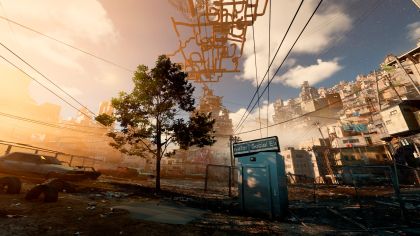
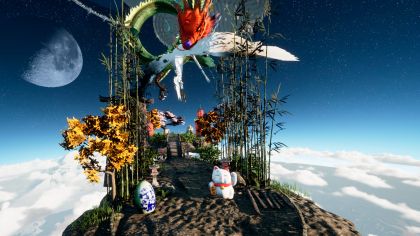
Only Up! is not built like a normal city, mountain, or tower. Its world feels like a strange vertical collage of objects, platforms, pipes, furniture, rails, buildings, and impossible structures stacked into the sky. That odd design gives the game a dreamlike quality.
I enjoy how unpredictable the route can feel. One moment I am moving through something that looks grounded, and the next I am walking across an object that feels completely absurd as a climbing path. The game keeps asking me to accept that anything can become a platform if I am brave enough to step on it.
This surreal structure is important because it makes the climb feel more mysterious. I am not only gaining height. I am moving through a bizarre vertical world where the next section may look nothing like the last one.
Height Is the Main Enemy
Only Up! does not need many traditional threats because gravity is already enough. The higher I go, the more intimidating the game becomes. Looking down can be worse than looking ahead. Seeing the distance below creates pressure that affects even simple movement.
I like how the game makes fear come from progress. Usually, progress feels safe. In Only Up!, progress also means risk. The higher I climb, the more I have to lose. That creates a unique emotional rhythm where success makes me proud and nervous at the same time.
The best moments happen when I reach a difficult section and pause for a second. I know what I need to do, but my hands do not fully trust the jump. That hesitation is the real game. Only Up! turns basic platforming into a mental challenge.
Movement Can Feel Awkward, but That Is Part of the Tension
Only Up! can feel rough compared with highly polished platformers. Movement may not always feel perfectly smooth, and some landings or jumps can feel more stressful than elegant. For some players, that roughness will be annoying. For others, it adds to the danger.
I think the game works because uncertainty supports the mood. If every jump felt perfectly controlled, the climb would lose some of its anxiety. The slightly awkward movement makes me slow down, line up carefully, and think before acting.
That said, this also means the game can feel unfair when a fall happens after a strange collision or unclear landing. The best players learn to adapt, but casual players may find the control style frustrating during longer climbs.
Failure Is Brutal Because It Is Visible
Falling in Only Up! is not just a mechanical penalty. It is a performance of failure. I watch the character drop past sections I fought hard to clear, and each passing platform feels like a reminder of what I lost. That visible descent is painful, but it is also why the game became so watchable.
I like that the game makes failure dramatic without needing extra effects. The fall itself is the spectacle. Friends watching can react, streamers can panic, and players can laugh after the frustration settles. The game creates stories because every big fall has a beginning, a mistake, and a long emotional drop.
This is also why progress feels so satisfying. When I finally pass a section that ruined earlier attempts, the victory feels real. The game makes me remember exactly why that platform matters.
Only Up! Is Surprisingly Good as a Streaming Game
Only Up! became popular with viewers because it is easy to understand from the outside. Anyone watching can immediately see the goal, the risk, and the danger. No one needs a long explanation of builds, stats, or lore. The player is high up, the platform is narrow, and a mistake would be awful. That is enough.
I enjoy games that create clear tension for both player and audience. Only Up! does this naturally. A viewer can feel nervous during a difficult jump even without holding the controls. A huge fall is painful for the player but often hilarious for everyone else.
This makes the game strong as shared entertainment. Playing alone can be intense, but playing while someone watches can turn frustration into comedy. The game is almost designed for reactions.
Download, Install, and Play Across Supported Platforms
Players looking to download Only Up! should use official or trusted platforms whenever possible. The safest way to install the game is through verified storefronts or legitimate platform pages connected to supported devices. This helps protect files, saves, updates, performance, and the correct version of the game.
Before installing, I would check platform availability, system requirements, controller support, current version details, and whether the listing is legitimate. Because popular viral games often attract copies and misleading pages, checking the exact title and source matters.
Players searching for a free version should be careful. Only Up! has been widely copied and imitated, so random pages promising a full free install may be unsafe, incomplete, or unrelated to the real experience. Trusted access is the better choice.
Unblocked Versions Are Usually Imitations
Searches for Only Up! unblocked are common because the game’s simple climbing idea looks like something that could work in a browser. The problem is that most unblocked pages are unlikely to provide the real experience. They may offer simple copycat climbing games, unsafe prompts, intrusive ads, or broken physics.
An unblocked imitation may copy the idea of climbing upward, but it usually cannot recreate the same atmosphere, route design, movement feel, height anxiety, or progress tension. For a game built around physics and platform precision, quality matters a lot.
I would avoid suspicious unblocked shortcuts and use trusted platforms instead. Only Up! works best when performance is stable and the climb feels consistent enough to make failure feel earned.
Cheats and Mods Can Remove the Main Pressure
Only Up! naturally attracts searches for cheats and mods because players may want checkpoints, easier jumps, speed changes, practice tools, alternate routes, or visual adjustments. I understand the temptation because the game can be extremely punishing after a long fall.
Cheats can make practice easier, but they also weaken the central tension. Only Up! is powerful because progress matters. If I can instantly return to any height without consequence, the fear of falling loses much of its force. The climb becomes less emotional.
Mods may be interesting for experienced players who want new routes or quality-of-life changes, but unofficial files should be handled carefully. They may affect stability, saved data, updates, or device safety. For a first run, the clean version is the best way to understand why the game became so intense.
Why Only Up! Feels Addictive Despite the Frustration
Only Up! works because every failure creates a clear personal challenge. I know where I fell. I know which jump caused the problem. I know I can probably do better next time. That makes restarting painful but tempting. The game constantly turns frustration into motivation.
I like how progress becomes a memory map. After several attempts, I remember dangerous spots, safer routes, awkward platforms, and jumps that require extra care. The world becomes more familiar, and that knowledge helps reduce fear even while the height keeps increasing.
The game also offers a rare kind of satisfaction. Reaching a new high point feels genuinely exciting because nothing about the climb is guaranteed. Every successful section feels like a small victory over nerves.
Where Only Up! Can Feel Too Punishing
The biggest weakness of Only Up! is that its punishment can be exhausting. Losing a huge amount of progress after one mistake is thrilling for some players and completely discouraging for others. The game demands patience, and not everyone wants that kind of pressure.
The movement and physics can also feel inconsistent at times. When a fall feels like my fault, the game is frustrating but fair. When a fall feels caused by awkward collision or unclear geometry, the frustration becomes harder to accept.
Another limitation is that the concept is narrow. Climb upward, avoid falling, repeat. The simplicity is the hook, but players who want deep story, varied objectives, or complex systems may find the experience too limited after the novelty fades.
Who Should Play Only Up!
Only Up! is a strong fit for players who enjoy difficult platformers, viral challenge games, climbing games, streamer-friendly tension, and experiences where patience matters as much as skill. It is especially appealing if you like games that create big emotional reactions from simple mechanics.
I would recommend it to players who can laugh at failure and keep trying. The game is much easier to enjoy when falls become part of the story rather than a reason to quit immediately. It also works well for viewers and friends because every risky jump is easy to understand.
Players who dislike harsh punishment, repeated climbs, or awkward platforming physics may not connect with it as strongly. But for anyone who wants a strange vertical challenge where every meter upward feels earned, Only Up! delivers a stressful and memorable climb.