
A Grim Strategy RPG That Turns Every Fight Into a Nervous Calculation
Limbus Company is not the kind of game that tries to welcome me with softness. From the first moments, it feels strange, sharp, literary, and uncomfortable in a way that immediately gives it identity. The world is bleak, the characters carry emotional damage like luggage they cannot put down, and the combat system asks me to pay attention before I fully understand what is happening. That first confusion is part of the experience. Limbus Company wants to feel like a descent into a city where rules exist, but they are rarely kind.
What pulled me in was the mixture of tactical combat, unusual storytelling, and a cast that feels deliberately fractured. This is not a fantasy adventure about clean heroes marching toward a bright objective. It is a story about sinners, contracts, trauma, monstrous encounters, strange corporations, and a bus ride through a setting that seems built from despair, satire, and psychological pressure. The tone is heavy, but it is also fascinating.
For players who want to download, install, and play a strategy RPG with gacha elements, turn-based combat, and dark narrative style, Limbus Company offers something very specific. It is not the easiest game to learn, and it does not smooth every edge. But if its world clicks with you, it becomes hard to ignore.
The City Feels Like a Character With Teeth
The setting of Limbus Company is one of its strongest features. The City is not just a background for missions. It feels like a machine that grinds people into roles, habits, debts, and terrible choices. Every district, faction, and organization seems to carry its own logic, and that logic rarely cares about individual comfort.
I like how the game builds atmosphere through implication. It does not need to explain every detail immediately. Instead, it gives me pieces: corporate language, strange technologies, violent social rules, literary references, and characters who speak as if suffering is already part of the schedule. The result is a world that feels dense and hostile even before combat begins.
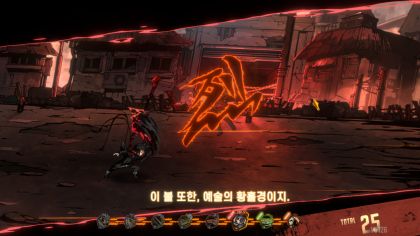
The visual style supports this perfectly. Limbus Company has a rough, expressive look that suits its mood. Characters are stylish but damaged, locations feel oppressive, and enemy designs often carry symbolic weight rather than simple monster appeal. The game’s aesthetics are not polished in a cheerful way. They are sharp, theatrical, and unsettling.
The Sinners Make the Story Personal
The main cast is built around the Sinners, and they are the reason the story has emotional pull. Each one has a distinct personality, history, and literary connection, which gives the group a strange rhythm. They do not feel like a harmonious party of friends. They feel like volatile people forced into the same vehicle, each carrying a private storm.
I enjoy how the characters clash. Some are dramatic, some are cold, some are impulsive, some are funny in a bleak way, and some are so emotionally guarded that every small reaction feels meaningful. Their conversations can be tense, absurd, or unexpectedly vulnerable. That tonal range helps the story avoid becoming one flat shade of darkness.
Dante, as the central figure guiding them, gives the game a useful anchor. The character’s unusual condition and limited understanding of the world mirror the player’s own confusion. I often felt like I was learning the rules alongside Dante, which made the strange setting easier to accept.
Combat Begins Confusing, Then Slowly Opens Up
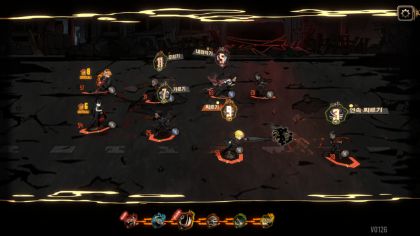
The combat system in Limbus Company can feel overwhelming at first. Skills, colors, affinities, clashes, speed values, resistances, sanity, identities, E.G.O., and status effects all compete for attention. My early battles felt like I was making choices with partial information, trying to understand why certain actions worked and others failed.
Once the system starts to make sense, though, it becomes much more engaging. The clash mechanic is the heart of the experience. Instead of simply choosing attacks and watching numbers trade places, I need to understand which skills can win exchanges, how enemy intent works, and when to commit stronger options. A good turn feels like reading a messy argument and choosing the sentence that wins.
I like that combat rewards preparation and interpretation. It is not only about having strong units. It is about knowing what each identity does, how skills connect, when to use E.G.O., and how to manage risk. The game becomes more satisfying when I stop expecting simple automation and start treating each battle as a tactical puzzle.
Identity and E.G.O Systems Add Strange Build Depth
Limbus Company uses identities as alternate versions of the Sinners, giving characters different combat roles, skills, resistances, and team functions. This system is interesting because it keeps the same core cast while allowing many strategic variations. I am not collecting completely unrelated units. I am collecting different possibilities for characters I already know.
The E.G.O system adds another layer. These powerful abilities can shift the direction of a fight, but they are not casual tools to throw around without thought. They come with costs, resource needs, and timing considerations. Using one at the right moment can save a bad situation. Using it carelessly can leave me with fewer options later.
This gives team building a lot of texture. I need to think about affinities, status synergy, damage types, and how identities support each other. The best teams feel like planned engines rather than random collections. That is where Limbus Company becomes especially rewarding for strategy-minded players.
Story Presentation Feels Like a Visual Novel With Bruises
The narrative presentation leans heavily on dialogue, character art, music, and dramatic writing. I found that the game often feels like a visual novel fused with tactical combat. The story sections are not just filler between battles. They are central to the experience.
What I appreciate is how committed the writing is to its own tone. It can be poetic, strange, bitter, funny, and disturbing within the same chapter. The game is not afraid of long conversations or emotional intensity. It expects the player to care about language, memory, and character psychology.
This means Limbus Company may not suit players who want minimal text and instant action. The writing is a major part of the game’s appeal. If you enjoy dark narrative games with dense dialogue and unusual character voices, it becomes one of the strongest reasons to keep playing.
Download, Install, and Play Across Supported Platforms
Players looking to download Limbus Company should use official platforms. The game is available on supported platforms such as mobile and PC, depending on region and current store access. The safest way to install it is through trusted app stores or official digital storefronts, because this protects updates, account progress, and payment security.
Limbus Company can be started as a free game, which makes it easy to try before deciding how deeply to invest. That free access is useful because the game has a distinct tone and complex systems. Some players may love the atmosphere immediately, while others may need time to decide whether the combat and story style fit their taste.
Before installing, I would check device requirements, storage space, account linking options, and platform compatibility. Because this is a live-service RPG with ongoing updates, official access matters more than usual. A clean download gives the best chance of stable play and proper progress tracking.
Unblocked Versions Are a Bad Match for This Type of Game
Searches for Limbus Company unblocked may appear because players often want quick browser access to popular titles. In this case, that approach does not fit the game well. Limbus Company depends on accounts, updates, server access, combat systems, and saved progression. A random unblocked page would not provide the proper experience.
Unofficial unblocked versions can be unsafe, incomplete, or misleading. They may not include current content, may not save progress correctly, or may expose players to suspicious prompts. For a game built around long-term account development and frequent updates, that risk is not worth taking.
I would avoid unblocked shortcuts and use official platforms only. Limbus Company is best experienced with stable access, proper updates, and secure account handling.
Cheats and Mods Can Damage the Strategy
Limbus Company naturally attracts searches for cheats and mods because players may want easier progression, extra resources, altered visuals, or faster access to identities. I understand the temptation, especially because the combat can be demanding and the collection systems can take patience.
Cheats, however, can weaken the core appeal. The game is satisfying because battles require planning, team building, and careful use of resources. If unfair shortcuts remove difficulty, the tactical structure loses much of its purpose. It may also put account safety at risk, which is especially important in a live-service game.
Mods are also complicated because online games often have strict rules around modified files. Unofficial changes may affect stability, updates, or account access. For most players, the official install is the safest and cleanest way to play. If you care about long-term progress, account security should come before shortcuts.
Why the Game Rewards Patience More Than Speed
Limbus Company is not a game I would recommend rushing. Its systems need time. The combat language, status effects, team building, story references, and character arcs all become clearer with patience. Trying to understand everything immediately can feel frustrating.
The game becomes better when I accept that learning is part of the experience. Each battle teaches something. Each identity changes how I think about a character. Each chapter adds more context to the City and the Sinners. The first few hours may feel dense, but the reward is a game with unusual depth.
I also like that it does not feel designed only for quick dopamine. There are rewards and progression systems, of course, but the real hook is interpretation. I want to understand the combat, the characters, and the world. That slower engagement gives the game a lasting identity.
Where Limbus Company Can Feel Difficult
The biggest barrier is onboarding. Limbus Company explains a lot, but the systems are still unusual enough that new players may feel lost. Combat can look chaotic before the logic becomes clear. Players who prefer simple turn-based battles may need extra time to adjust.
The tone can also be heavy. This is not a cozy fantasy RPG. The world is bleak, the characters are damaged, and the story often moves through uncomfortable emotional territory. That makes the game memorable, but it may not fit every mood.
The live-service structure is another factor. Resource management, banners, updates, and account progression can affect how players experience the game. Free access is welcome, but players should approach spending carefully and understand the systems before investing heavily.
Who Should Play Limbus Company
Limbus Company is a strong choice for players who enjoy dark storytelling, tactical RPG combat, literary references, unusual character writing, and complex team building. It is especially appealing if you like games that ask for attention rather than offering instant comfort.
I would recommend it to players who enjoyed strategy RPGs with layered mechanics and narrative-heavy presentation. If you like decoding systems, building teams around synergy, and following a cast full of damaged personalities, Limbus Company has a lot to offer.
Players who want light casual play, fast action, or simple cheerful progression may not connect with it as strongly. This is a game with sharp edges, but those edges are also what make it interesting.