
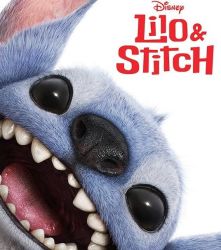
A Little Alien Lands in a Very Human Kind of Loneliness
I watched Lilo & Stitch 2025 with the original film’s emotional shadow already in the room. That is impossible to avoid. The 2002 version has such a specific mix of odd humor, Hawaiian atmosphere, family pain, alien chaos, and handmade tenderness that any remake has to carry more than a plot. It has to carry a feeling. What interested me most was whether this version could make Lilo’s loneliness, Nani’s exhaustion, and Stitch’s wild need for belonging feel alive in a new form.
For me, the strongest parts of the film are still rooted in the same emotional idea: family is not always calm, easy, or pretty from the outside. Sometimes it is two sisters trying to keep a home together after loss. Sometimes it is a strange creature learning that affection is not the same as ownership. Sometimes it is a child whose behavior looks difficult because her grief has nowhere neat to go. The remake works best when it stays close to that raw, tender center instead of treating Stitch only as a marketable blue troublemaker.
Hawaii Looks Sunlit, Lived In, and Slightly Fragile
The island setting gives the film much of its warmth. I liked the way the live-action format brings out beaches, roads, homes, vegetation, ocean light, and everyday community spaces with a more physical texture. The world feels less like a painted memory and more like a place where people actually wake up, work, argue, surf, shop, struggle, and try to keep going.
That realism helps the story’s sadness. Lilo and Nani do not live in a fairy-tale version of paradise. Their surroundings are beautiful, but beauty does not erase bills, social pressure, grief, or the threat of being separated. I appreciated that contrast. The bright sea and warm colors make the film inviting, while the sisters’ situation keeps it from becoming empty postcard imagery. The setting matters because it holds both joy and instability.
Lilo Is Strange in the Way Real Children Can Be Strange
Maia Kealoha’s Lilo gives the movie its most delicate challenge. Lilo has to be funny, difficult, imaginative, wounded, and lovable without becoming too polished. I liked that this version lets her feel socially awkward and emotionally unpredictable. She does not always explain herself in ways adults can accept. She has rituals, strong reactions, private logic, and an intense need to be understood.
What makes Lilo compelling is that her oddness is not a costume. It comes from grief, imagination, and the loneliness of being a child who does not fit easily with other children. She wants friendship, but she also protects herself through stubbornness and fantasy. I found her most moving in scenes where she seems both brave and abandoned, as if she has learned to make her own world because the real one keeps disappointing her.
Nani Carries Adulthood Before She Is Ready
Nani is the emotional spine of the story for me. Sydney Agudong plays her as someone caught between youth and responsibility, and that tension gives the film weight. Nani is not simply the strict older sister. She is a young woman trying to become a guardian while still needing room to be a person herself.
I liked how the movie shows her frustration without making her love seem weak. She can be overwhelmed, angry, frightened, and still deeply devoted to Lilo. That complexity matters. Nani’s struggle is not about whether she cares. It is about whether caring is enough when the world demands proof in the form of employment, stability, paperwork, and a home that looks acceptable from the outside. Her love is fierce, but the system around her asks for a version of family that is easier to measure.
Stitch Is Cutest When He Is Still a Problem
Stitch remains the film’s biggest visual and comic attraction, but I liked him most when the movie lets him be genuinely disruptive. He should not be only adorable. He is designed as chaos in a compact blue body, and the story needs that danger of disorder. His appeal comes from the gap between his destructive instincts and the softness he slowly discovers.
Chris Sanders returning as the voice helps keep Stitch connected to the character’s original personality. The grumbles, laughs, strange words, and sudden emotional shifts still give him a recognizable soul. In live action, Stitch’s design has to balance texture with expressiveness. When it works, he feels like a creature who does not fully belong in the physical world around him, which is exactly the point. He is an alien not only because he comes from space, but because he does not yet understand how to belong anywhere.
The Sister Story Matters More Than the Space Plot
The alien storyline brings energy, but I found myself caring far more about Lilo and Nani’s home life. That has always been the heart of Lilo & Stitch. The science-fiction pieces are fun because they crash into a fragile family situation that already has emotional stakes. Without the sisters, Stitch would be only a wild creature on the run. With them, he becomes part of a story about broken homes trying to remain homes anyway.
I liked when the remake makes room for the sisters’ daily tension: arguments, misunderstandings, money worries, social judgment, and the painful feeling that love can still fail to look good enough to outsiders. Those scenes give Stitch’s arrival more meaning. He does not create the family’s problems. He exposes them, intensifies them, and eventually becomes part of the strange repair.
Jumba and Pleakley Bring Cartoon Logic Into Real Spaces
Jumba and Pleakley have a difficult role in this version because their energy is naturally cartoonish. Zach Galifianakis and Billy Magnussen bring broad comedy, and I enjoyed the moments where their alien logic clashes with Earth’s ordinary routines. They represent the film’s sillier side, which is necessary because the sister story can become emotionally heavy without bursts of absurdity.
Still, their comedy works best when it does not pull too far away from the main emotional line. I liked them more as strange outsiders trying to understand Earth than as pure gag machines. Their confusion about human behavior mirrors Stitch’s more serious journey. Everyone from space is trying, in some way, to understand connection, rules, loyalty, and the messy habits of human families.
Cobra Bubbles Adds Pressure Without Becoming Simple
Cobra Bubbles is important because he brings the outside world into Lilo and Nani’s private struggle. Courtney B. Vance gives him authority and restraint, which helps the character feel more grounded. He is not there simply to frighten the sisters. He represents a system that has to ask whether Lilo is safe, even when the answer is emotionally complicated.
I appreciated that the film does not make his presence purely cruel. From Nani’s perspective, he is terrifying because he can separate what remains of her family. From a broader view, he is watching a situation that is unstable and trying to make a responsible judgment. That tension gives his scenes weight. The story is strongest when it understands that family love can be obvious to the people inside it and still look fragile to someone standing at the door with a clipboard.
The Aesthetics Balance Softness and Remake Gloss
Visually, Lilo & Stitch 2025 has moments of real charm. The Hawaiian landscapes, ocean scenes, family interiors, and warm daylight give the movie softness. I liked the texture of the house, the casual clothing, the outdoor spaces, and the sense of ordinary life around the central adventure. Those details help the film avoid feeling entirely manufactured.
At the same time, live-action remakes always face the risk of becoming too glossy. The original’s watercolor style had an emotional looseness that cannot be repeated exactly with real locations and digital effects. This version has to find another route. It works best when it embraces physical warmth and human faces rather than trying to recreate animated magic shot for shot. The less it behaves like a museum copy, the more alive it feels.
The Humor Needs Stitch’s Wild Timing
The comedy is strongest when Stitch interrupts normal life in ways nobody can politely explain. His energy turns quiet rooms, beaches, shelters, and public spaces into disaster zones of confusion. I enjoyed that because the character should feel like a test of everyone’s patience. He is not only funny because he is small and blue. He is funny because he has no instinct for human limits.
Lilo’s humor is different. Hers comes from strange honesty, social misalignment, and a child’s ability to say something direct enough to make adults uncomfortable. I liked that combination. Stitch brings physical chaos. Lilo brings emotional unpredictability. Together, they make sense as friends because both are treated as problems by the world around them, even though both are really asking for connection.
The Music Carries Memory Without Doing All the Work
Music has always been part of Lilo & Stitch’s identity, and the 2025 version has to carry that memory carefully. The songs and musical textures help preserve the film’s emotional link to Elvis, Hawaiian sound, and the playful sadness of the original story. I liked the moments where music feels connected to character rather than inserted only for nostalgia.
The best musical choices support Lilo’s inner world. She is a child who feels deeply and expresses herself through routines, tastes, and private attachments that others may not understand. Music helps make that inner life visible. It also gives Stitch a bridge into feeling. A creature built for destruction has to learn rhythm, softness, and response. Music becomes one of the ways the film shows that change without overexplaining it.
The Remake Works Best When It Trusts Imperfection
What I wanted most from Lilo & Stitch 2025 was imperfection. Not sloppy filmmaking, but emotional imperfection. This story should not feel too clean. Lilo should be difficult. Nani should be tired. Stitch should be alarming before he is cuddly. The house should feel loved and messy. The family should feel like something being held together with effort, not like a greeting-card image of togetherness.
When the movie trusts that messiness, it finds its strongest voice. The live-action format gives Lilo and Nani’s relationship a different kind of immediacy. Their arguments feel sharper because real faces carry the exhaustion. Their affection feels more fragile because the stakes around them feel grounded. Stitch’s arrival then becomes more than a fantasy incident. He becomes the impossible creature who forces an already fragile family to define what holding on really means.
Why Stitch Still Belongs Beside Lilo
The emotional reason the story still works is that Lilo and Stitch recognize something in each other. Both are lonely. Both are misunderstood. Both have impulses that make others pull away. Both need someone patient enough to see beyond behavior into need. That connection remains the film’s most important relationship, and I liked when the remake slows down enough to let it breathe.
Stitch’s transformation is not interesting because he becomes cute. It is interesting because he begins to choose attachment over destruction. Lilo’s role in that change matters because she does not approach him as a project. She approaches him as someone who also knows what it feels like to be unwanted. Their bond gives the film its tenderness. Around them, adults argue, aliens search, systems judge, and danger escalates, but the quietest truth remains simple: two outsiders can become family before the world understands why.


