A Pop Concert With Shadows Behind the Lights
I watched KPop Demon Hunters expecting a high-energy animated fantasy with bright songs, stylish outfits, and supernatural action wrapped around idol culture. What surprised me was how confidently the movie blends those pieces without treating any of them as a gimmick. The film knows that K-pop is already theatrical, disciplined, glamorous, exhausting, and emotionally intense, so adding demons to that world feels less random than it might sound. Fame already has masks, rituals, rivalries, and pressure. The fantasy simply makes those pressures visible.
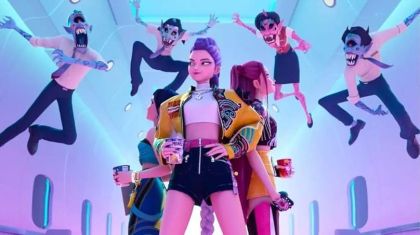
The story follows HUNTR/X, a hugely popular girl group whose public image is polished, powerful, and adored by fans. Behind the stage lights, Rumi, Mira, and Zoey protect the world from supernatural danger. I liked that the movie does not separate performance and heroism too neatly. Their music is not only entertainment. It becomes part of protection, identity, and shared belief. That gives the film a strong central idea: a voice can be a weapon, a comfort, a secret, and a confession all at once.
HUNTR/X Feels Like a Group With Real Internal Rhythm
The main trio works because the members do not feel interchangeable. Rumi, Mira, and Zoey each bring a different emotional texture to the group, and I enjoyed watching how their personalities shape both the music and the mission. They are not only friends wearing coordinated stage outfits. They are collaborators, protectors, and young women carrying different private fears under the same public brand.
What I appreciated most is that the movie understands group chemistry as both strength and pressure. A pop group depends on unity, but unity can become difficult when secrets start to grow. The girls need to move together on stage and in combat, yet each one still has a personal life inside the choreography. That tension makes the trio more engaging. Their bond feels bright, funny, and loyal, but also fragile enough to be tested.
Rumi Carries the Film’s Sharpest Emotional Conflict
Rumi stands out as the character with the deepest inner struggle. She is a leader, performer, and protector, but she is also hiding a truth about herself that threatens the image her world expects her to maintain. I found her arc compelling because it connects supernatural identity with the very human fear of exposure. She knows how to perform confidence, yet she is terrified of what might happen if the people closest to her see the part of herself she cannot polish away.
That makes Rumi more than a fantasy heroine. She represents the pressure to be flawless when everyone is watching. In idol culture, the gap between public image and private insecurity can be brutal, and the film turns that gap into story. Rumi’s secret is dramatic, but the feeling beneath it is recognizable. She wants to be loved without editing herself into something safer. That emotional question gives the movie its strongest pulse.
Mira Adds Edge, Movement, and Cool Precision
Mira brings a sharper, more controlled energy to the group. I liked her because she gives HUNTR/X a sense of style that feels physical before it feels verbal. Her movement, attitude, and visual presence suggest someone who understands performance as discipline. She is not just there to fill space beside Rumi. She helps define the group’s confidence.
What makes Mira interesting is the way her coolness can feel protective. She seems like someone who has learned to stay composed because the world around her demands excellence. In the action scenes, that control becomes exciting. In quieter scenes, it hints at how much effort goes into maintaining an image. I enjoyed that the movie lets her be stylish without making style seem shallow. For Mira, style is part of identity, armor, and expression.
Zoey Brings Playfulness Without Losing Purpose
Zoey gives the film a lighter spark, and I found that balance important. A story about hidden danger, public pressure, and identity could become too heavy without her humor and warmth. She brings quickness, charm, and a more open emotional rhythm to the trio. Her presence helps HUNTR/X feel like a real group rather than three intense archetypes standing in formation.
I liked how Zoey’s playful energy still has purpose. She is not simply comic relief. She adds elasticity to the group dynamic, making the friendship feel lived in. Her reactions, timing, and enthusiasm help the film move between action, music, and emotional tension. She reminds me that joy is part of the group’s power, not a distraction from it.
The Saja Boys Turn Rivalry Into Temptation
The rival boy band idea is one of the movie’s smartest choices. The Saja Boys are not only enemies hiding in plain sight. They are competitors in the same cultural arena, using charm, beauty, performance, and fan attention as weapons of influence. I liked how the film makes them appealing before fully revealing the danger underneath. That makes the conflict feel more specific to the K-pop setting.
The rivalry is not only about physical threat. It is about attention. The Saja Boys understand spectacle. They know how to attract devotion, shape desire, and turn a crowd’s energy toward themselves. That gives the movie a fun and slightly eerie edge. In a world built on performance, the most dangerous opponent may be the one who can sing, smile, and dominate the stage while hiding a darker purpose.
The Visual Style Moves Like a Music Video Dream
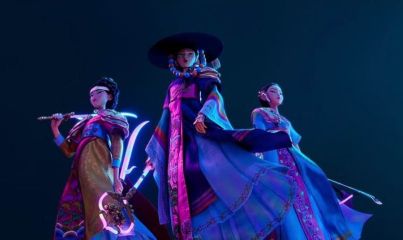
The aesthetics are one of the biggest pleasures of KPop Demon Hunters. The movie is saturated with concert lighting, fashion, glowing supernatural effects, sleek city imagery, and quick visual rhythm. I liked how it borrows the language of music videos without becoming visually empty. The camera movement, color shifts, stage design, and action choreography all feel connected to performance.
Seoul becomes more than a backdrop. It feels modern, luminous, crowded, and alive with pop-cultural energy. The film’s supernatural elements slide into that world surprisingly well. Neon lights, stage screens, fan crowds, spirit barriers, and demonic designs all share the same visual intensity. That makes the fantasy feel native to the movie rather than pasted on top of it.
The Action Works Because It Has Choreography in Its Bones
The action scenes are strongest when they feel like extensions of dance. I enjoyed the way combat and performance mirror each other. The girls move with precision, timing, formation, and rhythm, which makes sense for characters trained as both idols and protectors. Their stage discipline becomes a survival skill.
This is where the movie’s concept really clicks. K-pop choreography already requires unity, stamina, sharp timing, and expressive control. The film turns those qualities into fantasy action. A formation can become defense. A gesture can become attack. A song can strengthen a barrier. That overlap gives the action a distinctive identity. It does not feel like generic superhero movement in pop-star costumes. It feels built from the grammar of performance itself.
The Music Is More Than Background Sparkle
The songs matter because they are woven into the movie’s mythology. Music is not treated as an accessory between plot points. It is part of how HUNTR/X protects people, connects with fans, and defines itself. I liked that because it makes the musical element feel necessary. The characters are singers for a narrative reason, not only because the soundtrack needs hooks.
The film also understands how pop music can carry two meanings at once. A song can sound confident while hiding pain. A performance can look perfect while the performer is unraveling internally. A chorus can unite a crowd while also covering a secret. That duality gives the musical scenes emotional charge. I found myself paying attention not only to how the songs sounded, but to what the characters were trying to conceal or reveal while singing them.
The Mythology Gives the Glamour a Deeper Spine
I appreciated that the film draws from Korean cultural and mythic textures rather than using demon hunting as a vague fantasy label. The Honmoon, the idea of protective song, and the long tradition behind the hunters give the story a sense of inheritance. HUNTR/X is not only a modern pop act with secret powers. They stand inside a lineage.
That lineage adds pressure. Tradition can guide, but it can also demand perfection. The girls are expected to carry a protective role while also maintaining a public career that depends on constant visibility. I liked that contrast. Their mission is ancient, but their workplace is extremely modern. They fight supernatural danger while managing image, fans, schedules, performances, and the emotional cost of being constantly watched.
The Humor Keeps the World From Becoming Too Serious
The comedy works best when it comes from the contrast between idol life and supernatural duty. I enjoyed moments where the characters have to shift from polished celebrity behavior to urgent fantasy chaos without fully dropping their public personas. That overlap gives the film a playful tone. The girls can be heroic and still worry about timing, presentation, and the absurd logistics of their double lives.
The movie also finds humor in fan culture, rival groups, media attention, and the heightened drama of pop stardom. It does not mock fans with cruelty, but it understands the intensity around celebrity. That intensity becomes useful for both jokes and plot. In this world, public attention is not just fame. It is energy, influence, and sometimes vulnerability.
The Emotional Core Is About Being Seen Clearly
Under the music and fantasy, the movie is really about the fear of being known. Rumi’s hidden identity gives that theme its clearest shape, but it affects the whole group. HUNTR/X exists in front of millions, yet visibility is not the same as honesty. Their fans see the polished version. Their enemies see weaknesses to exploit. Their friends see more, but even friendship has limits when secrets remain unspoken.
I found that idea moving because it fits the idol setting so naturally. Public love can be enormous and still incomplete. Applause can make someone feel powerful without making them feel safe. The film understands that contradiction. Its fantasy asks whether someone can protect others while still hiding from herself, and whether a group can stay strong when perfection becomes more important than truth.
The Best Scenes Let Glamour Crack Open
My favorite moments are the ones where the glamorous surface breaks. A performance becomes dangerous. A confident look reveals fear. A rival song carries threat under charm. A friendship scene exposes the cost of silence. Those are the scenes where KPop Demon Hunters feels most alive to me, because the movie stops being only stylish and becomes emotionally sharp.
The film’s bright colors and energetic pacing make it easy to enjoy on the surface, but its stronger appeal comes from the way it uses that surface. Every polished outfit, perfect formation, and shining stage light raises the same question: what is being hidden to keep the image intact? That question gives the story weight. The demons may be external, but the most personal struggle is the one between performance and self-acceptance.
A Fantasy That Understands Pop Stardom as Power
What makes KPop Demon Hunters feel fresh to me is that it does not treat pop stardom as decoration. The fame, music, choreography, styling, fandom, rivalry, and performance pressure are all part of the fantasy engine. HUNTR/X protects the world through the same public presence that makes them vulnerable. Their voices bring people together, but those voices also carry secrets.
I liked the confidence of that concept. The movie is colorful, fast, stylish, and proudly dramatic, but it also knows why its ingredients belong together. K-pop and demon hunting both become stories about discipline, image, power, and hidden struggle. The result is an animated musical fantasy that feels loud in the right way, with enough emotional tension under the glitter to make the stage lights feel a little dangerous.