A Desert Battle Royale Map That Makes Free Fire Feel Faster, Drier, and More Dangerous
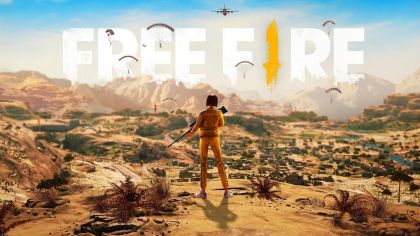
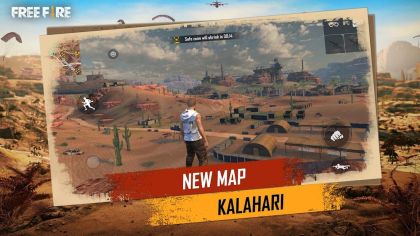
Garena Free Fire: Kalahari is a strong example of how one map can change the entire mood of a battle royale game. Free Fire is already known for short matches, quick decisions, compact mobile action, and easy access for players who want to download, install, and play without committing to long sessions. Kalahari adds a different flavor by pushing players into a desert environment filled with rocky cover, open sightlines, scattered buildings, high ground, and tense rotations.
What makes Kalahari interesting is that it does not feel like only a visual reskin. The map’s dry terrain, uneven spaces, and exposed areas change how I think about movement. A safe-looking path can become dangerous because there is not enough cover. A hill can become a strong position. A building can feel like temporary safety until another squad approaches from a higher angle. The environment constantly reminds me that positioning matters as much as aim.
For players looking to play Garena Free Fire on supported platforms, Kalahari is especially appealing if they enjoy fast battle royale matches with a sharper tactical edge. It keeps Free Fire’s mobile-friendly pace, but the desert setting gives each match a slightly harsher rhythm, where movement choices and awareness can decide everything.
The Desert Setting Changes the Feeling of Every Match
Kalahari stands out because the desert theme affects more than the background. The map feels hotter, more open, and less forgiving than a softer green environment. Rocks, cliffs, industrial zones, abandoned structures, and dusty paths create a landscape that feels built for ambushes, long-distance pressure, and sudden close-range fights inside small compounds.
I like how the map makes distance feel important. In some areas, I can see danger coming from far away. In other areas, rocks and buildings hide opponents until they are already too close. That contrast gives Kalahari a strong rhythm. One moment I am scanning the horizon, and the next I am reacting to footsteps nearby.
The desert also gives the map a strong identity. Many battle royale games have forests, towns, and fields, but Kalahari feels more rugged. It pushes players to use terrain carefully instead of only running from one building to another.
Landing Spots Create Different Types of Risk
A good battle royale map needs landing spots that feel distinct, and Kalahari does that well. Some areas feel intense from the first second because multiple players may land nearby. Other areas offer a quieter start, but they may force a longer rotation later. Choosing where to drop is the first real decision of the match.
I enjoy how Kalahari rewards players who know their preferred pace. Aggressive players can choose busy locations and look for early action. More careful players can land farther away, collect supplies, and move into the safe zone with a plan. Neither style is automatically correct because the map can punish both impatience and hesitation.
The best landing decision depends on the flight path, squad goals, player confidence, and available cover. Kalahari makes that first choice feel meaningful because the desert does not always give easy second chances.
Positioning Matters More Than Random Running
Free Fire is quick, but Kalahari reminds me that speed without awareness is risky. Running across open ground can be a mistake if another player has high ground or a clear view. Moving through rocks, slopes, walls, and buildings with purpose is much safer than sprinting in a straight line.
I like how the map rewards players who think ahead. Where is the next circle likely to push me? Is there cover on the route? Can I reach high ground before another squad? Should I rotate early, or wait and avoid drawing attention? These small questions make the match feel more tactical.
This is where Kalahari becomes more than a desert skin. The map asks players to read space, not just react to enemies. A strong position can turn an average loadout into a winning chance, while poor movement can ruin even a good setup.
Close-Range Fights Still Happen Fast
Even though Kalahari has many exposed areas, close-range fights are still a major part of the experience. Compounds, interiors, containers, narrow paths, and rocky corners can turn a quiet rotation into a sudden encounter. Free Fire’s fast pace means these moments often resolve quickly.
I enjoy the contrast between long-distance awareness and close-range pressure. Kalahari can make me cautious while crossing open ground, then immediately force me into quick reactions inside a building. This keeps matches from feeling one-note.
Players who enjoy aggressive movement can still succeed here, but they need to pick the right moments. Charging blindly through the desert usually ends badly. Pushing with cover, timing, and team support feels much better.
Squad Play Benefits From Communication
Kalahari is especially fun in squad play because the terrain creates many opportunities for coordination. One teammate can watch a ridge, another can check a building, another can cover a rotation, and another can prepare for a push. Good communication turns the map from a threat into an advantage.
I like how squad positioning matters. If everyone groups too closely, the team may lose map control. If everyone spreads too far, support becomes difficult. Kalahari rewards the middle ground: enough spacing to cover angles, but not so much that teammates cannot help each other.
In random squads, this can be harder. Some players rush ahead, some stay too far behind, and some ignore the safe zone until it becomes a problem. But with a coordinated team, Kalahari can feel tense and satisfying.
Weapons Feel Different Because the Map Has Mixed Ranges
Kalahari’s layout makes weapon choice important. Open areas make longer-range tools valuable, while buildings and tight paths still reward quick close-range options. A flexible loadout feels useful because the map can shift from distant pressure to sudden indoor action within a minute.
I enjoy maps that make me think about balance. If I only prepare for long-range fights, I may struggle inside compounds. If I only prepare for close-range encounters, crossing open spaces becomes stressful. Kalahari encourages players to build a setup that can handle multiple situations.
This variety is good for replay value. Different weapon choices change how I move, where I feel comfortable, and which fights I want to take. The map becomes more interesting when the loadout affects strategy.
Download, Install, and Play Across Supported Platforms
Players looking to download Garena Free Fire should use official platforms. The safest way to install the game is through trusted app stores or verified platform pages connected to supported devices. This protects updates, account access, purchases, saved progress, events, and the correct version of the game.
Garena Free Fire is known as a free-to-play mobile battle royale title, but players should still check current app details before installing. Availability, events, maps, account features, purchase options, device support, and performance may vary depending on region and version.
Before playing Kalahari, I would check storage space, network quality, graphics settings, supported platforms, account login options, privacy settings, purchase restrictions, and update size. Official access is especially important because Free Fire depends on live matchmaking, active events, and secure account progress.
Unblocked Versions Cannot Provide the Real Free Fire Experience
Searches for Garena Free Fire: Kalahari unblocked may appear because popular mobile games often attract browser shortcuts and imitation pages. I would avoid that route. Free Fire depends on official servers, real matchmaking, current maps, account progression, anti-cheat systems, events, cosmetics, and stable online performance.
An unblocked version may be a simple imitation, unsafe page, outdated copy, or fake download using the Free Fire name for attention. It cannot provide the real Kalahari map experience, proper squad play, official events, secure progress, or current gameplay balance.
I would use official platforms instead. A live battle royale game needs reliable servers, fair matchmaking, and protected accounts. Random shortcut pages cannot offer the same experience safely.
Cheats and Mods Can Ruin Fair Competition
Garena Free Fire naturally attracts searches for cheats and mods because some players want free diamonds, unlocked skins, improved aiming, extra movement advantages, or unfair visibility tools. That is risky and damaging, especially in a competitive online game where every player should face the same rules.
Cheats remove the satisfaction of improving. Free Fire is most enjoyable when better positioning, smarter rotations, quicker reactions, and team coordination lead to success. If unfair tools are used, the match stops feeling competitive and becomes frustrating for everyone else.
Mods and unofficial files can also create account, privacy, payment, stability, update, or device safety concerns. Players should avoid random pages promising free diamonds, unlocked bundles, special headshot tools, or modified APK files. The official install is the safest way to play.
Where Kalahari Can Feel Frustrating
Kalahari can feel punishing because of its open spaces. A player who rotates late or runs without cover may be spotted quickly. This can be frustrating for beginners who are still learning how to read terrain and plan movement.
The map can also feel harsh when the safe zone forces awkward paths. Sometimes the next circle creates a difficult rotation through exposed ground, and players need to decide whether to move early, take a vehicle, or risk a late approach. Those moments are exciting, but they can also be stressful.
Another challenge is visibility and verticality. High ground can be powerful, and players who understand the map may control angles more easily than newcomers. Learning Kalahari takes time, but that learning process is part of what makes it rewarding.
Why Kalahari Works So Well for Free Fire
Kalahari works because it supports Free Fire’s fast match structure while giving players more tactical decisions. It does not slow the game down too much, but it makes movement and positioning feel more important. That balance is valuable for a mobile battle royale.
I like that the map can support different play styles. Aggressive players can find early fights. Careful players can rotate smartly and play the terrain. Squad players can coordinate angles. Solo players can use rocks, buildings, and high ground to survive longer.
The desert theme also makes the game feel visually distinct. After many matches on greener or more urban maps, Kalahari provides a stronger sense of dryness, exposure, and pressure. It adds variety without losing the core Free Fire identity.
Who Should Play Garena Free Fire: Kalahari
Garena Free Fire: Kalahari is a strong fit for players who enjoy mobile battle royale games, quick matches, tactical positioning, squad play, desert maps, fast rotations, and free-to-play online competition. It is especially appealing if you like maps where terrain awareness matters.
I would recommend it to Free Fire players who want a sharper map experience with more emphasis on cover, high ground, and movement decisions. It also works well for squads that communicate and players who enjoy learning map routes over time.
Players who dislike open spaces, fast online pressure, or free-to-play progression may not connect with it as strongly. But for anyone who wants a tense desert battlefield inside a fast mobile battle royale, Kalahari is one of Free Fire’s most memorable settings.