
A Space Shooter That Feels Like a Ritual
Destiny 2 is not the kind of game I think about only as a shooter. It feels more like a long-running ritual built from gunplay, loot, weekly resets, strange planets, dramatic raids, seasonal stories, and the constant promise that one more activity might give me the weapon roll I have been chasing. I can jump in for a quick mission or lose an entire evening to quests, strikes, builds, inventory decisions, and group content. That flexibility is one of the reasons Destiny 2 has remained such a major name across modern gaming platforms.
What makes Destiny 2 stand out for me is the feel of the action. The movement is smooth, the weapons have personality, and each class brings its own rhythm to combat. Even when I am doing a familiar activity, the basic act of moving, aiming, using abilities, and collecting rewards remains satisfying. Many live-service games depend heavily on menus and progression systems, but Destiny 2 still works because the moment-to-moment play feels polished.
At the same time, this is not a simple game to explain to a new player. Destiny 2 has years of systems, expansions, terminology, currencies, vendors, activities, and story threads. It can be exciting, but it can also feel overwhelming. My experience with the game has always been a mix of admiration and confusion, which may be the most honest way to describe Destiny 2 as a whole.
The First Hours Can Feel Both Impressive and Disorienting
Starting Destiny 2 can be strange because the game looks confident before the player fully understands what is happening. The gunplay feels excellent almost immediately. The art direction is bold. The music has scale. The interface points toward many activities. Yet the larger structure can feel dense, especially for someone who has not followed the game through its many updates and expansions.
I liked the first impression of power. Even early gear can feel good in the hands, and abilities give every class a strong identity. The game does not make me wait too long before feeling capable. A Titan feels sturdy and direct. A Hunter feels agile and stylish. A Warlock feels mystical and controlled. Each class creates a different emotional connection to the battlefield.
The challenge is understanding where to go next. Destiny 2 has campaigns, playlists, patrol zones, seasonal content, dungeons, raids, exotic quests, PvP modes, vendors, and gear systems. For returning players, this amount of content can feel generous. For new players, it can feel like walking into a conversation that has been going on for years.
Gunplay Is Still the Core Reason to Play
The strongest argument for Destiny 2 is simple: the weapons feel excellent. Hand cannons, pulse rifles, bows, shotguns, fusion rifles, rocket launchers, glaives, machine guns, and exotic weapons all have distinct feedback. A good weapon in Destiny 2 does not feel like a number generator. It feels like an object with weight, sound, rhythm, and purpose.
I enjoy how different weapon types change my behavior. A scout rifle makes me keep distance and choose shots carefully. A shotgun pushes me into close-range risk. A bow slows the pace and rewards timing. An exotic weapon can completely change a build or activity. This variety gives the game long-term appeal because loot is not only about higher stats. It is also about finding tools that match my style.
The shooting also combines well with abilities. Grenades, class skills, melee powers, supers, fragments, aspects, and armor perks create a layered combat flow. I might weaken enemies with an ability, clear a group with a weapon perk, then use a class skill to survive or reposition. When a build works, Destiny 2 becomes fast, readable, and deeply satisfying.
Classes Give the Game Its Main Personality
The three main classes are one of Destiny 2’s biggest strengths. They are not only cosmetic choices. They shape movement, combat identity, team roles, and build possibilities. I like that each class has a strong fantasy attached to it, and that the subclasses let that fantasy shift depending on the element and ability setup.
Titans often feel physical and forceful. They are great for players who enjoy direct engagement, defensive tools, and heavy presence. Hunters feel quick and stylish, with abilities that reward movement, precision, and repositioning. Warlocks bring a more arcane flavor, often blending support, area control, and ability-focused gameplay.
The subclass system adds depth through different elemental styles. Solar, Arc, Void, Stasis, and Strand each bring unique effects and build ideas. I enjoy experimenting with these systems because they allow the same class to feel different across activities. A build designed for survival may feel very different from one built around ability uptime or high burst damage.
World Design That Blends Myth, Science Fiction, and Ruins
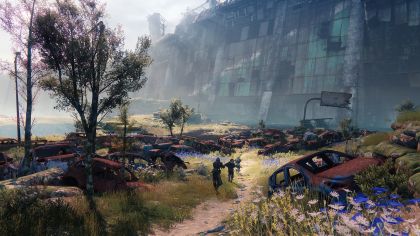
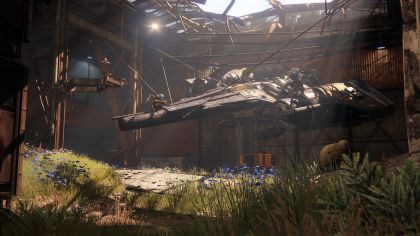
Destiny 2 has one of the most distinctive visual identities in online shooters. Its worlds mix science fiction, ancient mystery, alien architecture, ruined colonies, golden light, cosmic horror, military hardware, and mythic symbolism. The game often looks like concept art that somehow became playable.
I especially like how each destination carries a strong mood. Some places feel lonely and ancient. Others feel hostile, industrial, or dreamlike. The Tower gives the game a social center, while patrol areas create a sense of ongoing conflict beyond structured missions. Even when I am not fully invested in a quest, I often enjoy simply moving through the spaces.
The art direction is one of the reasons Destiny 2 still feels premium. Armor designs, weapon models, skyboxes, enemy factions, and environmental details all contribute to a universe that feels larger than the activity I am currently playing. It may not always explain itself clearly, but it almost always looks fascinating.
Storytelling With Great Atmosphere and Uneven Access
Destiny 2’s story can be powerful, but it is not always easy to follow. The universe has deep lore, memorable characters, major conflicts, and years of narrative development. When the game is focused, it can deliver moments of real scale and emotion. The problem is that the structure of a long-running live-service game can make the story feel fragmented.
I like characters such as Zavala, Ikora, Cayde-6, Eris Morn, Saint-14, and other major figures because they give personality to the larger conflict. Their voices, histories, and roles help the world feel more human. The game is strongest when it connects cosmic events to specific characters and emotional stakes.
However, new players may struggle to understand why certain events matter. Some earlier content is no longer presented in the same way, and the game often assumes familiarity with past developments. This can make Destiny 2 feel like a series with missing chapters. The atmosphere remains strong, but the narrative path is not always smooth.
Loot Is Addictive Because Small Differences Matter
Loot drives much of Destiny 2’s long-term structure. Weapons and armor are not just rewards; they are reasons to repeat activities, refine builds, and chase specific outcomes. I have spent more time than I expected comparing perks, stats, damage types, frames, and armor distributions.
The best loot moments happen when an item changes how I play. A weapon with the right perk combination can become a favorite. An exotic armor piece can unlock a new build idea. A better stat spread can make abilities return faster or improve survivability. These upgrades keep the game moving even after the main story content is finished.
The downside is that inventory management can become tiring. Destiny 2 gives many rewards, and not all of them are useful. Sorting through gear, checking rolls, managing vault space, and deciding what to keep can sometimes feel like a separate game. Players who enjoy build crafting may love this. Players who want simple progression may find it exhausting.
Strikes, Dungeons, and Raids Show the Game at Its Best
Destiny 2 becomes much stronger in cooperative content. Strikes offer quick team-based missions with combat encounters and bosses. Dungeons provide more elaborate challenges with mechanics, exploration, and stronger rewards. Raids are the game’s most ambitious group activities, combining teamwork, communication, puzzle-like mechanics, and high-pressure combat.
I think raids are one of Destiny 2’s defining achievements. They ask for coordination in a way that few shooters do. Everyone needs to understand roles, timing, callouts, and mechanics. A good raid run can feel like a group performance where each player contributes to a larger sequence.
Dungeons are also excellent because they can feel more intimate than raids while still offering meaningful challenge. They are often atmospheric, visually striking, and mechanically interesting. For players who want the best Destiny 2 experience, group PvE content is where the game’s world, combat, and reward systems come together most effectively.
PvP Is Fast, Skillful, and Sometimes Demanding
Destiny 2’s PvP modes bring a different kind of pressure. The Crucible can be exciting because movement, aim, abilities, map knowledge, and weapon choices all matter. A strong player can move through a match with impressive control, using cover, timing, and ability placement to gain the advantage.
I enjoy PvP most when I accept that it is its own ecosystem. The weapons and builds that feel comfortable in PvE do not always work well against other players. Positioning becomes sharper, reaction time matters more, and small mistakes are punished quickly.
At the same time, PvP can be frustrating for casual players. Balance changes, ability strength, matchmaking, and weapon metas can affect enjoyment. Some matches feel fair and exciting. Others can feel rough if the skill gap is wide. Destiny 2 PvP has depth, but it demands patience from anyone who wants to improve.
Download, Install, and Play Across Platforms
Players looking to download Destiny 2 should use official platforms. The game is available across supported platforms such as PC and consoles, and the safest way to install it is through trusted digital stores tied to those systems. Because Destiny 2 is an online game with accounts, expansions, updates, and seasonal content, official access is especially important.
Destiny 2 can be started as a free game, which makes it easy to try the gunplay, basic systems, and selected activities before buying expansions or additional content. That free access is useful because the game has a specific rhythm. Some players will love the loot chase and weekly structure, while others may not connect with the live-service format.
Before installing, I would check storage space, platform requirements, expansion availability, and cross-play options. Destiny 2 is a large game, and its content model can be complex. A clean official install gives the best chance of stable performance, updates, and account safety.
Unblocked Versions Do Not Make Sense for Destiny 2
Searches for Destiny 2 unblocked may appear, but this is not the kind of game that fits a simple browser shortcut. Destiny 2 is a full online shooter with servers, accounts, updates, anti-cheat systems, platform integration, and large downloadable content. An unblocked version would not provide the real experience.
Any page claiming instant unblocked access to Destiny 2 should be treated with caution. At best, it may be unrelated or misleading. At worst, it may create safety risks. The game depends on official infrastructure, so shortcuts outside supported platforms are not worth the risk.
If I wanted to play Destiny 2 properly, I would only download and install it through official platforms. That is the practical path for updates, security, multiplayer access, and long-term progress.
Cheats and Mods Undermine the Shared Experience
Because Destiny 2 is competitive and cooperative, cheats are especially harmful. They damage fair play in PvP, weaken the value of achievement in PvE, and can put accounts at serious risk. The game is built around earning gear, mastering encounters, and improving through practice. Unfair shortcuts remove the reason those systems matter.
Mods are also limited by the nature of the game. Unlike some single-player titles, Destiny 2 is an online live-service game where unofficial modifications can conflict with platform rules, security systems, or account safety. Visual or performance tools outside approved options should be approached very carefully.
I think Destiny 2 is most satisfying when played within its intended structure. The reward loop works because progress is shared, visible, and earned. Cheats may promise convenience, but they take away the trust that online games need.
Why the Weekly Loop Keeps Players Returning
Destiny 2 is built around routines. Weekly resets, seasonal challenges, vendor updates, event rotations, raids, dungeons, Nightfalls, Trials, and quests all give players reasons to return. This structure can feel addictive because there is almost always something to do.
I like the weekly rhythm when I have clear goals. Maybe I want a specific weapon, a higher power level, a title, a raid clear, or progress on a seasonal objective. The game works best when I set my own priorities instead of trying to do everything at once.
The risk is burnout. Destiny 2 offers many tasks, and not all of them feel equally rewarding. When I play because I am excited, the loop feels great. When I play only because a checklist is about to reset, the game can feel more like homework. Managing that balance is essential for long-term enjoyment.
Where Destiny 2 Can Feel Overwhelming
The biggest challenge with Destiny 2 is its complexity. New players may struggle with currencies, expansions, vendors, activities, build crafting, power levels, seasonal content, and older story context. The game has improved some onboarding elements over time, but it still carries the weight of a long history.
The content model can also be confusing. Some activities are free, while others require expansions, dungeon access, or seasonal purchases depending on the current structure. Players who want a complete experience should review what is included before spending money.
Inventory and build systems can also feel dense. For dedicated players, this depth is a major strength. For casual players, it may create friction. Destiny 2 is most enjoyable when I accept that I do not need to master every system immediately.
Who Should Play Destiny 2
Destiny 2 is a strong choice for players who enjoy polished shooting, loot progression, cooperative missions, character builds, and long-term online play. It is especially appealing if you like games that give you weekly goals and a reason to keep refining your character.
I would recommend it to players who enjoy both action and systems. The gunplay is immediate, but the surrounding structure rewards planning, build crafting, and activity knowledge. If you enjoy chasing better gear and improving your setup over time, Destiny 2 can become very engaging.
Players who prefer self-contained campaigns, simple menus, or offline-only games may find Destiny 2 harder to connect with. This is a living online game, and its strengths are tied to community, updates, group activities, and repeated play.