A Strange RPG Where Kindness Feels Like a System
DELTARUNE is one of those games that feels simple from a distance and quietly complicated once I actually sit with it. At first, it looks like a retro-inspired RPG with quirky characters, funny dialogue, turn-based battles, and a charming pixel-art world. Then it starts bending tone, expectation, and emotion in ways that make every small interaction feel suspiciously important. I went in expecting a clever adventure, but DELTARUNE works because it mixes comedy, mystery, sadness, and warmth without letting any one mood fully take over.
The game follows Kris, Susie, Ralsei, and other memorable characters through a world that constantly feels like it is hiding more than it says. The writing is playful, but not empty. Jokes arrive quickly, strange situations pile up, and then a small quiet moment suddenly makes the whole story feel heavier. That balance is the reason DELTARUNE stands out among modern indie RPGs.
For players looking to download, install, and play a unique story-driven RPG across supported platforms, DELTARUNE is easy to recommend. It is accessible, funny, mysterious, and emotionally sharp. It also has enough unusual mechanics and secrets to keep players discussing theories long after they stop playing.
The First Chapter Already Feels Like a Door Left Half Open
The beginning of DELTARUNE does a great job of making ordinary things feel slightly wrong. A school day, a supply closet, a familiar town, and a few simple conversations gradually lead into something much stranger. The transition into the Dark World works because it feels both magical and unsettling. I am not only entering a fantasy space. I am entering a version of reality that seems connected to hidden feelings, roles, and stories the characters may not fully understand.
What I like most about the opening is how quickly it establishes contrast. Kris feels quiet and ambiguous. Susie begins rough and defensive. Ralsei is gentle almost to the point of suspicion. The game places these personalities together and lets their friction create both humor and growth.
DELTARUNE does not rush to explain everything. Instead, it gives the player enough structure to move forward while leaving many questions unresolved. That makes the world feel bigger than the current objective. Even small rooms can seem meaningful because I start wondering what every object, line, and character might imply.
Combat Is Turn-Based, But It Never Feels Passive
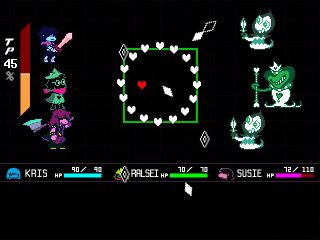
The battle system is one of DELTARUNE’s strongest features because it combines traditional turn-based commands with active dodging. I choose actions, spells, items, or peaceful options, then move through enemy attacks in real time. This keeps battles engaging without turning the game into pure action.
I enjoy how the combat rewards attention instead of only grinding. Understanding an enemy’s behavior can matter more than raw numbers. The player often has ways to resolve encounters through acting, sparing, defending, or using character-specific choices. This gives battles personality. Enemies are not only obstacles. They are little puzzles with moods, jokes, patterns, and reactions.
The active bullet patterns also make each enemy memorable. Some attacks are funny, some are elegant, and some are surprisingly tense. Because I am physically moving the soul through danger, every turn feels more personal. I am not just selecting menu options and waiting for results. I am participating.
The Party Dynamic Gives the Story Its Heart
Kris, Susie, and Ralsei form a party that is interesting because it does not begin as a perfect friendship. Susie’s attitude gives the early story an edge, Ralsei tries to guide everyone with almost storybook politeness, and Kris remains quiet in a way that invites interpretation. Their relationships shift gradually, and that slow change makes the journey feel meaningful.
Susie is especially important because her growth gives the story emotional movement. She is funny, aggressive, awkward, and more vulnerable than she wants to appear. Watching her interact with softer characters creates many of the game’s best moments. DELTARUNE understands that character development does not need to be announced loudly. Sometimes it appears in a joke, a pause, or a small decision.
The supporting cast also adds charm. Shopkeepers, classmates, enemies, rulers, and strange side characters all have distinctive voices. Even minor NPCs often feel like they belong to a larger emotional pattern. The game is full of weird people, but they rarely feel random. Their weirdness usually has rhythm.
The Humor Works Because It Is Never Only a Joke
DELTARUNE is very funny, but the humor works because it often has emotional texture underneath. A silly line can reveal insecurity. A ridiculous scene can hide loneliness. A goofy enemy can suddenly feel sympathetic. The game’s comedy is not just decoration. It helps build the world and soften the darker ideas beneath it.
I like that the humor moves quickly. Dialogue can be casual, strange, awkward, or unexpectedly sharp. The game feels comfortable switching from a silly visual gag to a mysterious hint without making either part feel out of place. That tonal flexibility is difficult to manage, but DELTARUNE handles it with confidence.
This also makes the world feel alive. Characters do not speak like generic quest markers. They interrupt, misunderstand, joke, complain, and react with personality. The writing gives them a human awkwardness, even when they are clearly not ordinary humans.
Pixel Art and Music Carry a Huge Amount of Emotion
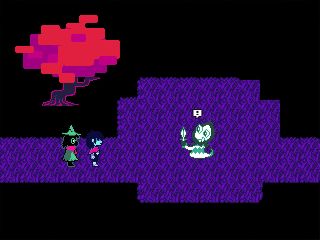
DELTARUNE’s visual style looks modest at first, but it is extremely expressive. The pixel art uses simple shapes, strong silhouettes, and clever animation to give characters personality. Susie’s posture, Ralsei’s gentle movement, Kris’s stillness, and the exaggerated designs of Dark World characters all communicate more than their size might suggest.
The environments are also memorable. The Light World feels ordinary but slightly loaded with meaning, while the Dark World locations feel theatrical, playful, and strange. The contrast helps each area stand out. One space feels like daily life. The other feels like imagination, memory, and conflict turned into geography.
The music is a major reason the game stays in my head. Battle tracks, character themes, quiet town music, and dramatic moments all carry strong melodies. DELTARUNE understands how to use music as storytelling. A theme can make a joke funnier, a scene warmer, or a mystery feel much deeper than the dialogue alone.
Choices Feel Important Even When the Game Questions Them
One of the most interesting things about DELTARUNE is how it treats choice. Many RPGs tell me that my decisions matter in direct and obvious ways. DELTARUNE plays with that expectation. It makes me think about control, role-playing, character agency, and whether the player’s influence is as simple as it appears.
This creates a unique kind of tension. I am still making decisions in battles and dialogue, but the game often makes me wonder who those decisions belong to. Am I guiding Kris, controlling Kris, helping Kris, or interrupting something already in motion? That question gives the story a strange psychological edge.
I like that the game does not need to explain this directly every time. It lets the feeling sit in the background. The result is a story that can be enjoyed casually, but also supports deeper interpretation for players who like theories and hidden meanings.
Download, Install, and Play Across Supported Platforms
Players looking to download DELTARUNE should use official platforms. The game is available through trusted storefronts and official pages depending on device and region, and that is the safest way to install it. Official access helps protect save data, updates, and the intended version of the game.
DELTARUNE is especially approachable because players can start with free access to its early content through official sources where available. That makes it easy to try the story, combat, humor, and atmosphere before deciding how deeply to follow the full experience.
Before installing, I would check supported platforms, storage requirements, controller support, language options, and current version details. Because DELTARUNE is a chapter-based game with ongoing interest, official download sources matter. They help ensure that players are getting the correct content rather than an imitation or outdated file.
Unblocked Versions Are Not the Right Way to Experience It
Searches for DELTARUNE unblocked may appear because the game has a strong fanbase and many players want quick browser access. I would avoid that route. DELTARUNE depends on atmosphere, music, saving, dialogue timing, and correct game files. A random unblocked version may not provide the real experience.
Unofficial browser pages can be incomplete, outdated, or unsafe. They may miss important content, break progression, remove proper controls, or include misleading prompts. For a story-driven game where small details matter, unstable access can hurt the experience badly.
I would use official platforms instead. DELTARUNE is best when played with proper audio, stable saving, and the intended pacing. The mood is too carefully built to waste on a questionable shortcut.
Cheats and Mods Can Be Fun After the First Playthrough
DELTARUNE attracts searches for cheats and mods because players enjoy secrets, alternate routes, visual edits, custom content, and experimental changes. That curiosity makes sense. The game already invites investigation, so fans naturally want to poke at its systems and imagine new possibilities.
For a first playthrough, though, I would avoid cheats. The game’s emotional effect depends on discovery, uncertainty, and the feeling of being guided through something strange. If I skip difficulty, reveal secrets too early, or force outcomes without context, I may weaken the story’s impact.
Mods can be interesting for experienced players, especially cosmetic changes, fan-made challenges, or quality-of-life adjustments. Still, unofficial files should be handled carefully. They may affect stability, save data, or future updates. The safest path is to play the official install first, then explore community content only with caution.
Secrets Make the World Feel Deeper Than It Looks
DELTARUNE is full of details that reward careful players. Optional encounters, unusual dialogue changes, hidden rooms, strange references, and small visual hints all make the game feel larger than the main path. I like how it encourages curiosity without turning every secret into a checklist.
The best secrets are the ones that change how I interpret the world. A hidden line or strange event can make me reconsider a character, a location, or even the rules of the story. That gives the game long-term discussion value. Players do not simply finish DELTARUNE and move on. They compare theories, revisit scenes, and look for meaning in tiny details.
This depth is one reason the game has such a passionate community. It gives players enough answers to stay invested and enough uncertainty to keep talking.
Where DELTARUNE Can Feel Demanding
DELTARUNE may look simple, but it is not always straightforward. Some players may find the mystery confusing, especially because the game intentionally withholds answers. If you prefer stories that explain everything immediately, the pacing may feel unusual.
The bullet-dodging sections can also challenge players who expected a purely turn-based RPG. Most encounters are manageable with practice, but certain patterns require focus and timing. That active element is part of the game’s identity, yet it may surprise players who want a calmer menu-based experience.
The chapter-based structure can also require patience. DELTARUNE is not a single compact story that resolves every question quickly. It is built around anticipation, development, and mystery across a larger project. Players who want instant closure may need to adjust expectations.
Who Should Play DELTARUNE
DELTARUNE is a strong fit for players who enjoy story-driven RPGs, strange humor, memorable music, emotional character writing, and turn-based combat with active dodging. It is especially appealing if you like games that feel playful on the surface while hiding deeper questions underneath.
I would recommend it to fans of indie RPGs, mystery-heavy narratives, and character-focused adventures. It is also a great choice for players who enjoy replaying scenes, searching for secrets, and thinking about what the story might really mean.
Players who want realistic graphics, simple heroic fantasy, or fully explained plotlines may not connect with it as strongly. But for anyone who enjoys unusual worlds, clever writing, and a game that keeps smiling while quietly making you nervous, DELTARUNE is absolutely worth playing.