A Door That Makes Curiosity Feel Dangerous
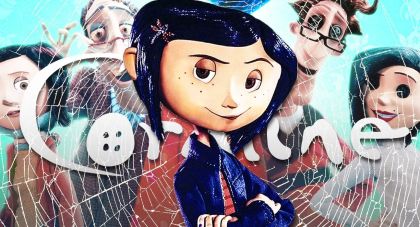
I have always found Coraline fascinating because it begins with such an ordinary feeling: boredom. Coraline is not chasing a grand destiny at first. She is a curious girl in a new home, irritated by distracted adults, unimpressed by gloomy weather, and hungry for attention that feels personal. That simple emotional setup makes the film work. Before the story becomes strange, it feels familiar. I understood her restlessness immediately, and that made the discovery of the small hidden door feel less like a fantasy trick and more like the answer to a private wish.
What makes the movie so memorable for me is how carefully it turns desire into unease. The Other World does not arrive as an obvious nightmare. It arrives as an improvement. The food is better, the colors are richer, the parents are warmer, and everything seems designed around Coraline’s needs. That is the frightening brilliance of the film. It understands that temptation rarely looks threatening at first. Sometimes it looks like the version of life we think we deserve.
The Pink Palace Feels Tired in the Best Way
The real world in Coraline has a beautifully worn texture. The Pink Palace Apartments look old, damp, and slightly forgotten, as if the building has collected decades of odd residents, faded wallpaper, and half-finished repairs. I like how the film makes Coraline’s everyday environment feel dull without making it empty. There is personality everywhere, but it is buried under dust, routine, and adult distraction.
The muted color palette is important. The real world has blues, grays, browns, and soft greens that make everything feel chilly and distant. This does not make the setting ugly. It makes it tactile. I can almost feel the old wood, the wet garden soil, the heavy sweaters, and the stale quiet of a house where everyone is busy but nobody is fully present. That atmosphere gives the movie its emotional weight before the fantasy begins.
Coraline Is Brave Because She Is Not Perfect
Coraline herself is one of the strongest young protagonists in animation because she is allowed to be prickly. She complains, pushes boundaries, ignores warnings, and sometimes mistakes attention for love. I like that the film does not soften her into a model child. Her flaws make her believable, and they also make her courage more satisfying.
She is not brave because she is fearless. She is brave because she keeps moving after fear becomes impossible to ignore. That distinction matters. Coraline’s curiosity opens the door, but her intelligence and emotional growth help her face what waits behind it. I enjoyed watching her become more observant as the story develops. At first, she sees only what the Other World offers her. Later, she begins to notice what it demands in return.
The Other Mother Is Hospitality With Teeth Hidden Behind a Smile
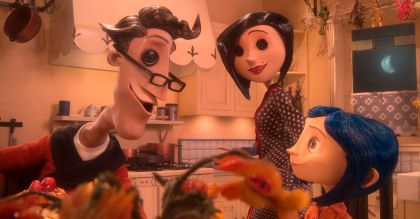
The Other Mother is one of the most unsettling characters I have seen in a family film because she begins as comfort. She cooks, listens, smiles, and offers Coraline the attention she craves. She performs motherhood with theatrical precision. That performance is what makes her so disturbing. She does not simply want to frighten Coraline. She wants to be chosen.
I found the Other Mother’s design especially effective because it changes gradually. At first, she is almost a brighter version of Coraline’s real mother. Then the proportions sharpen, the movements become stranger, and the warmth begins to feel controlled. Her button eyes are a perfect visual idea: charming at a glance, wrong the longer I look. They suggest a world where affection has been replaced by possession, where being loved means being made into an object that cannot look back freely.
Wybie Adds Awkward Warmth to the Shadows
Wybie could easily have been only comic relief, but I think he gives the film an important human texture. He is nervous, chatty, odd, and not always socially graceful, which makes him a believable match for Coraline’s impatience. Their early interactions have a funny edge because Coraline does not know what to do with him, and Wybie keeps appearing anyway.
What I appreciate is that Wybie’s presence helps show Coraline’s growth. She begins by dismissing him, but the story gradually makes his loyalty matter. He also connects the mystery of the house to a longer history, reminding me that Coraline is not the first child drawn toward danger. His role gives the film a wider emotional frame without taking focus away from Coraline’s choices.
The Cat Moves Like He Knows More Than Everyone
The cat is one of my favorite parts of the movie because he brings dry intelligence into a story full of exaggerated fantasy. He does not behave like a sidekick who exists to flatter the hero. He is independent, sarcastic, watchful, and slightly amused by human confusion. I like that he seems to belong to the border between worlds rather than to either side completely.
His design is sleek and simple, but his attitude gives him presence. In the real world, he is just a cat. In the Other World, he speaks with calm confidence, as though speech is not a miracle but merely a convenience he chooses to use when necessary. That small shift gives the movie a wonderful strange logic. The cat makes the fantasy feel older and larger than Coraline’s personal adventure.
Stop-Motion Makes Every Frame Feel Haunted by Hands
The animation style is essential to Coraline’s power. Stop-motion gives the film a physical strangeness that computer animation would have struggled to copy. Every object feels crafted, touched, adjusted, and placed. That handmade quality makes the world more intimate, but also more unsettling. The characters move with a slight stiffness that suits the story perfectly.
I love how textures become part of the mood. Hair, fabric, wallpaper, garden dirt, food, toys, and tiny household objects all carry a tactile charge. The Other World may seem smoother and brighter, but it still feels handmade, which makes it more uncanny. It is as if someone built a dream specifically for Coraline, piece by piece, and left tiny signs of obsession in the seams.
Color Turns Comfort Into Suspicion
The color design tells the story almost as clearly as the dialogue. The real world is subdued, while the Other World bursts with oranges, purples, golds, and theatrical lighting. At first, this contrast makes the fantasy world feel irresistible. I understood why Coraline wanted to stay there longer. Everything seems warmer, richer, and more responsive.
But the film slowly teaches me not to trust beauty too quickly. As the Other World darkens, its colors become more intense rather than less. That is what makes it eerie. The brightness does not disappear; it curdles. Warm rooms begin to feel staged. Beautiful meals feel like bait. Flowers, lights, costumes, and performances become part of a trap made from Coraline’s own wishes. The visual shift is subtle enough that I felt the unease before I could fully explain it.
The Side Characters Are Strange Little Theaters
The neighbors give Coraline a wonderfully eccentric outer world. Miss Spink and Miss Forcible bring faded theatrical glamour, old stories, and comic exaggeration. Mr. Bobinsky adds surreal energy with his blue skin, strange movements, and devotion to his mouse circus. These characters might seem random in a less controlled film, but here they make the Pink Palace feel like a place where reality is already slightly tilted.
Their Other World versions are even more revealing. They become grander, more entertaining, and more polished, but also less human. That transformation reflects Coraline’s temptation. The fantasy improves everyone by turning them into performances. The neighbors become more exciting, but they also become less free. I liked how the movie uses spectacle to ask whether perfection is worth the loss of authenticity.
The Horror Works Because It Respects Children’s Fears
Coraline is often called a children’s horror film, but what impresses me is how specifically it understands childhood fear. It is not only about monsters or dark rooms. It is about being ignored, being trapped, being replaced, and realizing that an adult who smiles at you may not be safe. Those fears are deeply personal, and the film treats them seriously.
The movie never feels careless with fear. It knows when to be quiet, when to reveal something strange in the background, and when to let a pleasant scene feel slightly wrong. I especially like that Coraline has to rely on attention and memory. She must notice details, read intentions, and trust her instincts. The film suggests that fear can sharpen perception, and that a child’s intuition deserves respect.
Family Love Looks Ordinary After the Fantasy Fades
One of the smartest choices in Coraline is that her real parents are not transformed into perfect people by the story. They are tired, busy, and flawed. They do not suddenly become magical sources of constant attention. That honesty makes the film more meaningful to me. Coraline does not learn that her real life is perfect. She learns that imperfection is different from danger.
The real parents may be distracted, but their love is not a performance designed to capture her. It is ordinary, limited, sometimes clumsy, and still genuine. The Other Mother offers a fantasy of total attention, but it comes with control. The real world offers frustration, chores, boredom, and emotional gaps, but it also offers freedom. That contrast gives the film a mature emotional core.
The Music Feels Like a Lullaby From the Wrong Room
The score gives Coraline much of its eerie beauty. The music often sounds delicate, almost like a lullaby, but there is always something slightly off inside it. Voices, bells, soft rhythms, and unusual textures create the feeling of a nursery rhyme remembered incorrectly. I like how the soundtrack does not simply announce fear. It seduces first, then unsettles.
This musical approach matches the film’s central idea. The Other World is attractive because it understands Coraline’s loneliness. The score has the same quality. It invites me closer, then makes me question why I felt comfortable. That uneasy charm is one of the reasons the movie stays in my head. It does not rely on constant shocks. It builds a mood that lingers, like a melody heard through a wall at night.
Every Button Carries a Choice
The button eyes are the film’s most famous image, and they deserve that status because they express the entire story in one object. A button is small, domestic, harmless in ordinary life. Placed over the eyes, it becomes a symbol of surrender. It means Coraline would no longer see the world on her own terms. She would become part of someone else’s design.
I find that idea more frightening than any single chase or creature. Coraline is about the danger of giving up freedom in exchange for comfort. The Other World offers sweetness, attention, and beauty, but only if Coraline agrees to stop being fully herself. That makes the final struggle feel personal rather than merely adventurous. She is not just trying to escape a strange place. She is defending her right to remain difficult, curious, imperfect, and free.