A Bright Preschool Entertainment Experience Built Around Songs and Routine
CoComelon is not a traditional video game in the usual sense. It is more of a preschool entertainment world built around music, colorful characters, simple stories, repetition, and familiar daily routines. For families with young children, the appeal is easy to understand: songs are catchy, visuals are bright, characters are friendly, and the themes are usually based on things toddlers already recognize, such as brushing teeth, bath time, sharing toys, eating food, going to school, or getting ready for bed.
What makes CoComelon stand out is how direct it is. It does not try to be clever for adults first. It focuses on rhythm, repetition, expression, and basic learning moments. The content is designed to be easy for very young viewers to follow, even before they understand every word. A simple melody, repeated phrase, and smiling character can do a lot of work for a preschool audience.
For users looking to download, install, and play CoComelon-related apps, games, or videos across supported platforms, the main value is safe-feeling early childhood entertainment. It works best as a guided family experience rather than something children use endlessly without limits. In small sessions, CoComelon can be cheerful, familiar, and useful for routine-based learning.
The First Impression Is Color, Music, and Instant Recognition
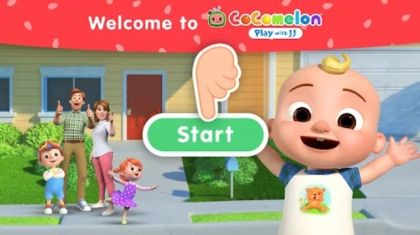
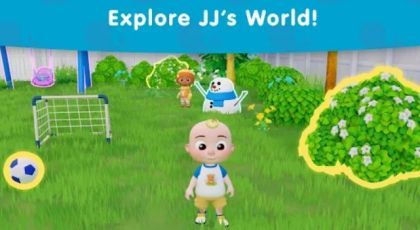
CoComelon makes its purpose clear almost immediately. The visual style is soft, round, and colorful. Characters are expressive, backgrounds are simple, and scenes are easy to read. This is important because preschool content needs clarity. Young viewers should be able to understand what is happening without complicated explanations.
I like how the songs often connect to everyday actions. Instead of abstract adventures only, many CoComelon moments are about normal childhood situations. A child learns to share, tries a new food, prepares for bedtime, visits a doctor, plays with family, or follows a simple routine. That familiarity is a big part of why the brand works.
The music is also central. CoComelon songs use repetition heavily, which can be tiring for adults after a while, but it is useful for young children. Repeated lines help toddlers anticipate what comes next, remember phrases, and participate by singing along.
Learning Happens Through Repetition and Routine
CoComelon is strongest when it uses repetition to support simple learning. Young children often learn through seeing and hearing the same idea multiple times, and CoComelon leans fully into that. A song about cleaning up, washing hands, counting, colors, or manners can become a small routine cue.
I enjoy how this format can help parents turn daily tasks into something easier. A child who resists brushing teeth may respond better when the activity is connected to a familiar song. A bedtime routine can feel smoother when music makes the steps predictable. This does not make CoComelon magic, but it explains why families return to it.
The best use of CoComelon is interactive. Instead of letting the screen do everything, parents can sing along, pause to ask questions, repeat words, or connect the song to a real action. That turns passive watching into something more useful.
The Characters Are Simple by Design
CoComelon characters are not written like complex animated heroes. They are simple, friendly, and easy for small children to recognize. JJ, family members, classmates, animals, and other characters usually serve the song or lesson rather than a deep plot. That simplicity is intentional.
I like that the character designs are easy to identify. Bright clothes, large eyes, clear expressions, and gentle movement all support preschool understanding. A toddler does not need layered storytelling. They need to know who is happy, who is learning, who is helping, and what action is happening.
For adults, this can feel repetitive or overly soft. But for the target audience, predictability is part of the comfort. Children often enjoy seeing familiar faces doing familiar things again and again.
CoComelon Apps and Games Need Careful Platform Choice
Players or parents looking to download CoComelon should use official platforms whenever possible. The safest way to install CoComelon-related apps or games is through trusted app stores, verified streaming services, or official platform pages connected to supported devices. This helps avoid fake apps, unsafe files, misleading ads, and low-quality copies using the name for attention.
Before installing, I would check the exact app title, age rating, privacy details, subscription terms, offline viewing options, in-app purchases, parental controls, and supported platforms. Preschool content should be chosen carefully because young users may not understand ads, pop-ups, or purchase prompts.
Players searching for a free version should be cautious. Some CoComelon videos or apps may offer free access, trials, or ad-supported content depending on the platform, but random download pages promising full free access may be unsafe or misleading. Official access is the better choice.
Unblocked Versions Are Not Ideal for Preschool Content
Searches for CoComelon unblocked may appear because children’s videos and simple games are often mirrored on many websites. I would be especially careful here. Preschool content should come from trusted sources because young children are not good at recognizing unsafe ads, fake buttons, or unrelated content.
An unblocked page may include poor-quality videos, intrusive advertising, broken playback, unsafe prompts, or content that only pretends to be CoComelon. Even if the video loads, the surrounding page may not be appropriate for young viewers.
I would avoid unblocked shortcuts and use official platforms instead. For children’s entertainment, safety and control matter more than convenience. Parents should know exactly what is playing and where it comes from.
Cheats and Mods Are Mostly Irrelevant Here
CoComelon is not the kind of experience where cheats and mods are usually important. If there are CoComelon-themed games, they are generally designed for young children and should focus on simple interaction, matching, coloring, music, puzzles, or routine-based play. Shortcuts and unofficial modifications do not add much value.
In fact, cheats and mods can be risky when connected to children’s content. A page promising unlocked features, free premium access, or modified apps may create privacy, stability, device safety, or payment concerns. For preschool apps, the safest version is almost always the official one.
If parents want more variety, it is better to look for official episodes, licensed apps, printable activities, or trusted educational games rather than unofficial files. The goal should be safe play, not hacked access.
The Music Can Be Helpful, but It Can Also Become Too Much
CoComelon’s greatest strength is also its biggest drawback: the songs are extremely repetitive. For young children, repetition can be comforting and educational. For adults, the same melody looping several times can become exhausting. This is not a small issue because preschool content often plays in shared family spaces.
I think CoComelon works best with limits. A few songs during a routine can be helpful. Long autoplay sessions may become overstimulating or simply annoying for everyone nearby. Parents may want to choose specific songs rather than letting endless recommendations decide the session.
The content is most useful when it supports a real-life activity. A cleanup song before tidying toys, a bedtime song before sleep, or a counting song during play can make sense. Watching without structure for too long is less valuable.
Why CoComelon Became So Popular
CoComelon became popular because it understands preschool attention. It uses bright visuals, clear routines, simple emotions, repeated lyrics, and familiar family situations. That combination makes it easy for toddlers to follow and easy for parents to recognize as safe-feeling background entertainment.
The songs are also easy to remember. Even when adults find them repetitive, that memorability is part of the formula. Children can sing along, anticipate lyrics, and connect music to daily habits. The content is designed to be sticky.
Another reason for its success is accessibility. CoComelon content can appear across multiple supported platforms, which makes it easy for families to find. That wide availability helps the brand become part of everyday routines.
Where CoComelon Can Feel Limited
The biggest limitation of CoComelon is that it is not very deep. The stories are simple, the lessons are basic, and the emotional range is gentle. That is appropriate for preschool viewers, but older children may quickly outgrow it.
Another issue is screen-time balance. CoComelon can be useful in small doses, but it should not replace active play, reading, outdoor time, conversation, sleep routines, or direct interaction with caregivers. The songs are a tool, not a complete learning system.
Parents may also want to monitor pacing. Some children become very attached to repetitive musical content, which can make transitions away from the screen difficult. Setting clear start and stop moments helps keep the experience healthier.
Who Should Use CoComelon
CoComelon is a strong fit for toddlers, preschoolers, and families who want cheerful songs connected to daily routines, simple learning topics, and friendly characters. It is especially useful for short sessions around brushing teeth, cleanup, bedtime, counting, colors, manners, or family activities.
I would recommend it as guided entertainment rather than an unlimited babysitter. Parents can get more value by watching together, singing along, and connecting the songs to real actions. That makes the experience more active and less passive.
Older children, adults looking for complex animation, or families who dislike repetitive songs may not connect with it as strongly. But for preschool entertainment that is bright, familiar, and easy to access through official platforms, CoComelon remains one of the most recognizable names in early childhood media.