
14 Jul
Michael Reed
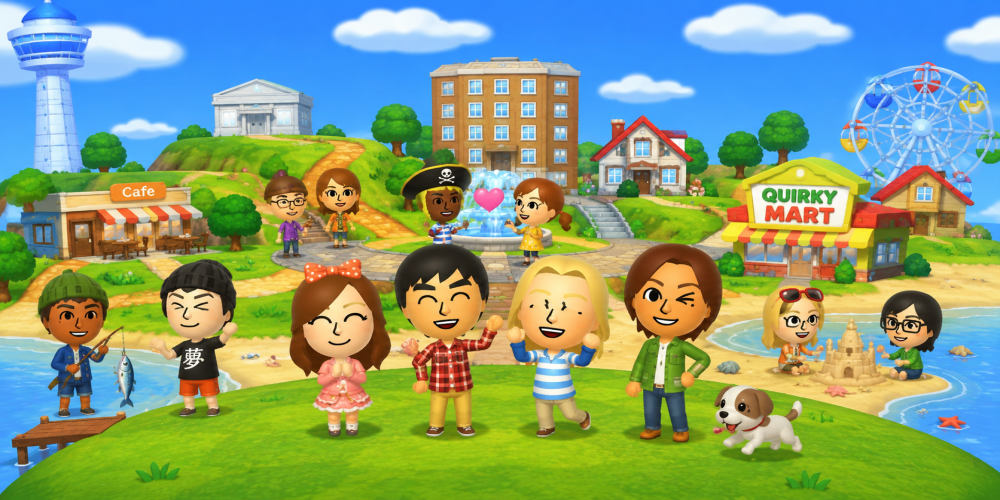
Tomodachi Life: Living the Dream is Nintendo’s next social simulation game, and it brings back the wonderfully strange idea of filling an island with custom Mii characters, giving them personalities, and watching their lives unfold in unpredictable ways.
The game follows 2014’s Tomodachi Life, a title that became popular thanks to its bizarre Mii behavior, awkward conversations, odd friendships, sudden romances, and player-created characters saying the most unexpected things. Living the Dream looks ready to continue that same chaotic charm with more options, more island life, and more ways for players to shape their miniature society.
Tomodachi Life: Living the Dream is scheduled to launch on April 16, 2026, for Nintendo Switch. The game is also compatible with Switch 2, though a separate native Switch 2 version has not been confirmed in the provided details.
In Tomodachi Life: Living the Dream, players can create Mii characters and place them on a tropical island. Each Mii can be customized with a personality, allowing them to act serious, relaxed, thoughtful, energetic, or strange in their own way. You can also adjust how they speak, including whether their tone sounds polite, rude, calm, or more exaggerated.
One of the funniest parts of the series is teaching Mii characters custom phrases. These lines can appear in conversations, daily moments, and random interactions, which often makes the island feel less like a predictable simulation and more like a comedy experiment. Players can create their own Mii or bring in characters from friends, making the island even more personal.
The main appeal of Tomodachi Life: Living the Dream is watching your Mii residents interact. Two characters might meet, become friends, argue, fall in love, find work, spend time near the beach, or create unexpected drama. The player guides the island, but the fun comes from seeing how the characters behave once they start forming their own social patterns.
The island itself can also be expanded with shops and restaurants where Mii characters can spend time. By completing requests and keeping residents happy, players earn money that can be used to buy new clothing, decorations, and other items. This gives the game a steady loop of helping characters, collecting rewards, and improving life on the island.
Living the Dream also introduces broader character and relationship options compared with the original game. Players can create non-binary and aromantic Mii characters, and same-sex relationships are included this time. These additions give players more freedom when building the island’s community and shaping character stories.
Tomodachi Life: Living the Dream is expected to cost $59.99, making it a full-priced Nintendo release rather than a smaller budget title. For players who enjoyed the original Tomodachi Life or want a social simulation game focused on weird character moments, island management, and unpredictable Mii drama, this sequel looks like one of Nintendo’s most unusual upcoming releases.