
31 Jul
Sophia Bennett
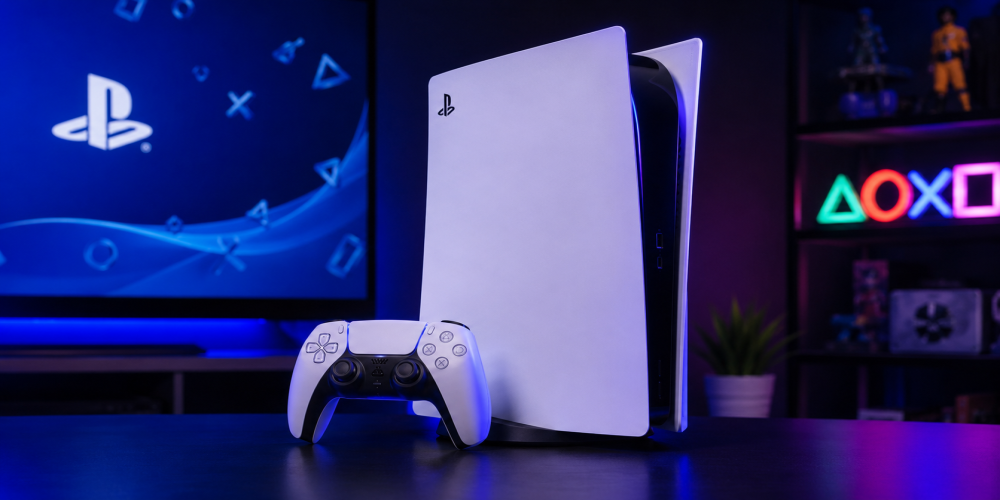
PlayStation’s reported plan to end physical game production in 2028 may help Sony manage rising hardware costs, but it could also weaken one of the most affordable entry points into its ecosystem.
Alinea Analytics analyst Rhys Elliott believes the move is more likely a temporary financial measure than a complete long-term strategy. According to his assessment, Sony may be attempting to protect profit margins while memory, storage, manufacturing, and wider economic pressures continue to raise the cost of console hardware.
The approach could benefit PlayStation if component prices eventually decline and consumer spending improves. However, the strategy carries additional risk if elevated production costs become permanent or remain high for much longer than expected.
Physical games are particularly important for younger and budget-focused players because pre-owned discs can provide cheaper access to the platform. Once inside the ecosystem, these users may later purchase digital expansions, subscribe to PlayStation Plus, and build social connections that encourage them to remain with the brand.
Removing that lower-cost option could push more casual players toward mobile gaming, PC platforms, and free-to-play releases. These alternatives often have smaller entry costs and may be easier to access without purchasing new games at full digital prices.
The reported digital transition could therefore improve Sony’s short-term financial position while creating a longer-term accessibility problem. PlayStation has not yet demonstrated whether cheaper digital pricing or other options will replace the role currently filled by physical and pre-owned games.