
31 Jul
Sophia Bennett
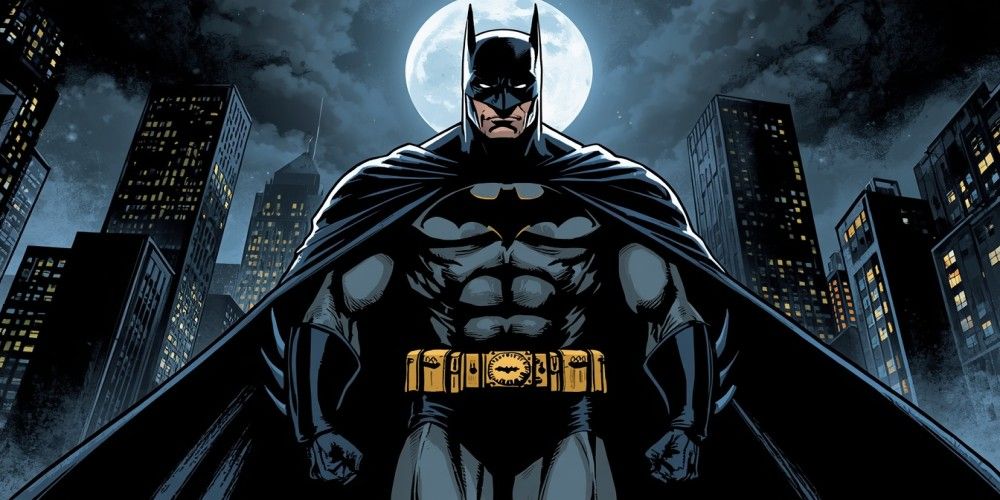
Batman: The Movie celebrates its 60th anniversary in 2026, yet the colorful 1966 adventure remains one of the most entertaining adaptations of the DC hero.
Released during the popularity of the Adam West television series, the film fully embraces comic-book spectacle rather than attempting to present Gotham as a realistic crime setting. Its bright production design, exaggerated gadgets, theatrical villains, and straight-faced humor give it a distinctive identity that later Batman films rarely attempted to copy.
Adam West’s performance is central to the film’s lasting appeal. His Batman treats every strange situation with complete seriousness, creating comedy through sincerity rather than parodying the character from a distance. The famous sequence involving Batman trying to dispose of an explosive remains one of the film’s most recognizable moments.
The story also brings together four major villains: the Joker, Penguin, Riddler, and Catwoman. Their conflicting personalities and constant disagreements make the criminal alliance as entertaining as its elaborate plan.
The film highlights Batman’s detective abilities while giving him access to the Batcopter, Batboat, and highly specialized equipment such as Shark Repellent Bat Spray. These playful inventions celebrate the imaginative side of the character that darker adaptations often reduce.
Although the practical effects clearly reflect the technology of the 1960s, the colorful sets and physical props give the movie a charm that remains easy to appreciate. Its humor is based largely on character behavior, allowing many of its jokes to remain effective decades later.
Batman: The Movie also anticipated the large comic-book crossover style that would become common in modern superhero cinema. By combining several famous villains in one adventure, it delivered the feeling of a major event long before shared cinematic universes became standard.
Rather than competing with darker interpretations of Batman, the 1966 film offers a completely different version of the hero. Its confidence, energy, and affection for Silver Age comic books continue to make it an important part of Batman’s screen history.