
14 Jul
Sophia Bennett
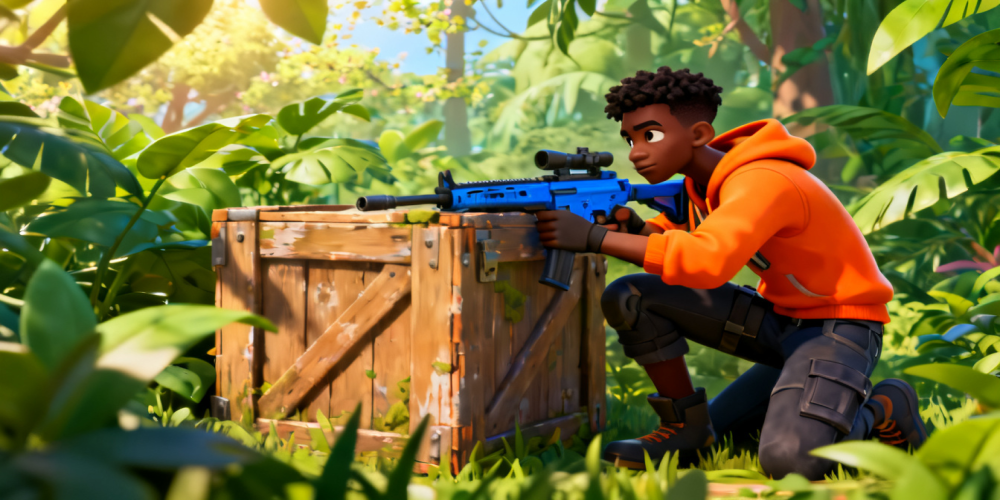
Surviving longer in Fortnite Mobile is not only about fast reactions or landing the first lucky shot. New players often lose early because they drop into crowded areas, grab random items, run across open spaces, or panic when another player appears. The mobile version adds its own challenge because touchscreen controls require practice, the screen is smaller, and every button placement matters. Still, Fortnite Mobile becomes much easier when you focus on simple survival habits. You do not need to play perfectly to last longer. You need to land smarter, collect useful gear, move with purpose, use cover, avoid unnecessary fights, and understand when to rotate. Once those basics become comfortable, every match starts to feel less chaotic and more manageable.
Choose Landing Spots That Give You Time to Breathe
The first major survival decision happens before your character touches the ground. Many beginners drop into the busiest named locations because they look exciting or because many other players go there. That can be fun, but it also creates early pressure. If you are still learning mobile controls, crowded drops can end your match before you understand what happened. A quieter landing spot gives you time to collect items, adjust your camera, check your inventory, and prepare for the next move.
Look for smaller buildings, edge locations, or areas with enough loot but fewer players. You do not need to avoid action forever, but starting calmly helps build confidence. Try landing near a road, vehicle, or natural rotation path so you can leave safely when the storm circle changes. A good landing spot should give you resources, cover, and options.
Learn the Controls Before Chasing Big Fights
Fortnite Mobile has many actions packed onto a touchscreen: movement, camera control, jumping, crouching, aiming, firing, building or item use, inventory management, and map checking. If your fingers feel confused, survival becomes much harder. Beginners should spend time making the control layout comfortable before worrying about advanced plays. A clean layout can help you react faster without covering too much of the screen.
Move important buttons where your fingers naturally rest. Make sure the fire button, jump button, build controls, edit controls, and inventory access are easy to reach. Button size matters too. Tiny buttons can be missed during pressure, while oversized buttons can block your view. After changing the layout, play low-pressure matches or practice modes until it feels natural. Comfortable controls create better reactions and fewer mistakes.
Loot With a Plan Instead of Picking Up Everything
Looting is important, but beginners often waste time collecting every item they see. A better approach is to build a simple loadout. You usually want a close-range weapon, a medium-range weapon, healing items, shields, and mobility or utility if available. This gives you answers for different situations without filling your inventory with items you do not understand.
Do not stand still while looting. Move around the room, listen for footsteps, and close doors when useful. If you find stronger versions of weapons you already use, upgrade your loadout quickly and keep moving. Spending too long sorting items can make you an easy target. The goal is not to carry the rarest-looking gear. The goal is to carry tools that help you survive the next fight and escape danger when needed.
Use Sound and Visual Clues to Notice Danger Earlier
Fortnite Mobile gives players several ways to detect danger. Footsteps, gunfire indicators, chest sounds, vehicles, movement nearby, and visual sound effects can all help you understand what is happening around you. Beginners often focus only on what is directly in front of them, but survival improves when you pay attention to small clues before enemies appear.
If you hear footsteps inside a building, slow down and prepare before entering a room. If gunfire appears nearby, decide whether you want to avoid it, watch from cover, or rotate away. Visual sound indicators are especially useful on mobile because they help compensate for small speakers or noisy environments. Information gives you time. The earlier you notice danger, the less likely you are to panic when the fight starts.
Move From Cover to Cover
Running across open ground is one of the most common beginner mistakes. Open spaces make you visible from many angles and give you few ways to recover if someone starts shooting. Instead, try moving from cover to cover. Trees, rocks, hills, walls, buildings, vehicles, and terrain changes can all protect you or break enemy aim.
Before leaving a safe spot, look at where you are going next. Do not sprint randomly just because the circle is closing. Plan your movement through safer paths when possible. If you must cross an open area, use movement options, slide, jump carefully, or move unpredictably, but avoid making yourself easy to track. Cover does not guarantee safety, but it gives you choices. Choices are what keep beginners alive longer.
Do Not Take Every Fight You See
Fortnite rewards smart decision-making, not constant fighting. Beginners often shoot at every player they notice, even when the angle is bad, the distance is awkward, or the enemy has better cover. Starting a fight announces your position and may attract other players. Sometimes the best survival move is to watch, reposition, or leave.
Before attacking, ask whether you have an advantage. Do you have good cover? Is your weapon suitable for the distance? Are you inside the safe zone? Do you have shields and healing items? Could another player arrive during the fight? If the answer feels uncertain, waiting may be smarter. Winning more fights begins with choosing better fights. You do not need to prove anything in the first minute of a match.
Keep Shields and Healing Items Ready
Survival depends heavily on recovery. Shields and healing items give you a second chance after damage, and beginners should treat them as essential parts of the loadout. Running into fights without shields puts you at a serious disadvantage. Even if your aim is decent, another player with full protection can survive longer and pressure you harder.
Use shields early instead of saving them forever. If you have time and safety, restore your protection before moving into risky areas. Carry healing items when possible, but balance them with weapons and mobility. Learn which items are fast, which restore more, and which are better during quiet moments. A player who knows when to heal can survive situations that would remove an unprepared player quickly.
Understand the Storm Without Panicking
The storm is designed to move players together, but beginners often panic when it starts closing. Panic leads to poor routes, missed loot, and unsafe movement. The solution is checking the map regularly and rotating before the storm becomes a major problem. If you wait until the last moment, you may be forced to run through dangerous areas with little time to think.
When the new safe zone appears, look for a route with cover, vehicles, or natural movement paths. Avoid running straight through the center if safer edge routes are available. Sometimes entering the circle early gives you time to choose a strong position. Other times, moving carefully along the edge helps avoid too many fights. The storm should guide your planning, not control your emotions.
Practice Building or Use No-Build Habits Wisely
Fortnite can be played in modes where building is central and modes where the focus is more on movement, cover, and shooting. If you play build modes, learning basic defensive building can dramatically improve survival. You do not need advanced edits at the beginning. Simple walls, ramps, and boxes can protect you long enough to heal, reload, or reposition.
If you prefer no-build modes, natural cover becomes even more important. You need to think carefully about terrain, objects, rooftops, and movement tools. Do not stand in the open expecting to out-aim everyone. In both styles, defense matters. The difference is where your protection comes from. Beginners survive longer when they treat cover as a habit, not an emergency reaction.
Adjust Graphics and Performance Settings
Mobile performance can affect survival. If the game feels choppy, delayed, or visually cluttered, aiming and movement become harder. Lowering graphics settings may not look as impressive, but smoother performance often helps more than extra detail. A stable frame rate makes camera movement, aiming, and building feel more predictable.
Check your device temperature during longer sessions. Overheating can reduce performance and make controls feel less responsive. Close background apps, keep enough storage available, and use a stable internet connection when possible. Touchscreen shooters already require precision, so avoid making the experience harder with unstable performance. A smoother game helps you react earlier, track targets better, and move through fights with more confidence.
Use Vehicles and Mobility for Safer Rotations
Mobility can save your match when the storm moves far away or when a fight becomes too risky. Vehicles, movement items, launch options, or map-based mobility features can help you rotate faster. Beginners sometimes ignore mobility because weapons feel more important, but escaping danger is often just as valuable as winning a duel.
Use mobility with awareness. Driving loudly through the map can attract attention, so choose when speed matters more than stealth. Movement tools can help you reach high ground, leave a bad fight, or enter the safe zone before other players. Try not to waste mobility for tiny movements when a major rotation may be coming soon. A good escape option can turn a losing situation into a fresh chance.
Stay Calm During Close-Range Fights
Close-range fights can feel overwhelming on mobile because both players move quickly and the camera shifts constantly. Beginners often swipe too far, miss buttons, switch weapons by accident, or stop moving completely. The first goal is not fancy gameplay. The first goal is staying calm enough to keep the enemy on screen and use the right weapon for the distance.
Shotguns and fast close-range weapons are usually easier to understand after practice, but timing matters. Do not empty your weapon without tracking the target. Move around cover, use jumps carefully, and avoid turning your back while trying to escape. If you take damage, create space before healing. A calm player with average aim often performs better than a panicked player with a stronger loadout.
Play for Position in the Final Circles
Surviving into the final circles is exciting, but it also becomes more stressful. There are fewer players, less space, and more pressure from every direction. Beginners often lose late because they reveal themselves too early or stand in weak positions. A strong position gives you cover, a clear view, and a safer path toward the next circle.
High ground can be useful, but only if you can defend it. Buildings can offer protection, but they may also trap you if the storm shifts. Bushes, rocks, ridges, and edges of terrain can help you stay hidden or protected. Avoid unnecessary shooting if it gives away your location without real benefit. Late-game survival is about patience, awareness, and choosing the right moment to act.
Review Mistakes After Each Match
The fastest way to improve is to notice why you lost. Many beginners simply start another match without thinking about the last one. Instead, ask one simple question after each game: what decision ended my run? Maybe you landed too hot, ignored footsteps, crossed open ground, fought without shields, rotated late, or used the wrong weapon.
You do not need to analyze every detail for a long time. Pick one mistake and focus on improving it in the next match. This creates steady progress without frustration. Fortnite Mobile has many moving parts, so improvement happens step by step. Better landing choices, safer movement, cleaner inventory habits, and calmer fights will gradually help you survive longer and enjoy the game more.