
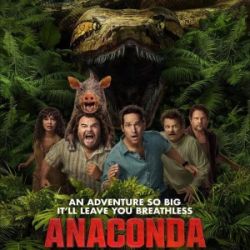
A Jungle Movie That Knows It Is Being Watched
I went into Anaconda expecting a creature feature with loud panic, tropical danger, and a giant snake used as the main attraction. What surprised me was how much of the film’s personality comes from its self-aware setup. This is not simply a return to a familiar jungle threat. It is a movie about people trying to remake a movie, only to find themselves trapped inside a version of the fantasy they thought they could control.
That idea gives the film a playful edge from the beginning. The characters are not fearless explorers or polished action heroes. They are adults carrying midlife disappointment, old dreams, and a slightly embarrassing belief that making their own version of a beloved creature film might fix something in their lives. I liked that awkward emotional foundation. It makes the absurdity feel more human. The danger may be oversized, yet the motivation behind the trip is small, wounded, and oddly relatable.
Doug Treats Cinema Like a Last Chance
Jack Black’s Doug is one of the reasons the movie has warmth beneath the chaos. I saw him as a man who has carried one creative dream for too long and now clings to it with the intensity of someone afraid of ordinary life becoming permanent. His desire to make a film is funny because it is impractical, but it is also sincere. He does not just want adventure. He wants proof that he still has an imagination worth following.
What I enjoyed about Doug is that his enthusiasm often outruns his competence. He can talk himself into a plan before checking whether the plan has a floor underneath it. That gives Jack Black room for nervous confidence, emotional exaggeration, and sudden bursts of sincerity. Doug may be ridiculous, but he is not empty. His foolishness comes from longing, and that makes him more engaging than a simple comic figure.
Griff Brings Smooth Charm With Cracks Underneath
Paul Rudd’s Griff adds a different flavor. He has the easy charm of someone who knows how to perform confidence, yet the film lets that confidence wobble. I liked the tension between his relaxed surface and the deeper anxiety of a man wondering whether his best days passed without asking permission. Griff’s dream of remaking Anaconda is not only nostalgia. It is an attempt to reclaim a version of himself that once believed life would become larger.
His friendship with Doug gives the film its most important human rhythm. They irritate each other, encourage each other, and drag each other into terrible choices with the confidence of people who have shared the same fantasy for decades. Their chemistry works because it feels both affectionate and slightly delusional. They are not only making a movie. They are trying to rescue their younger selves from disappointment.
The Supporting Group Makes the Trip Feel Messy
The wider group gives Anaconda more texture than a two-person buddy comedy. Steve Zahn brings a loose, anxious energy that fits the escalating disorder of the jungle shoot. Thandiwe Newton adds a sharper presence, giving the ensemble a character who can cut through the men’s romanticized nonsense with a more grounded perspective. Daniela Melchior and Selton Mello help connect the Amazon setting to practical knowledge and local tension, which keeps the story from floating entirely in parody.
I liked that the group dynamic feels unstable before the giant snake fully enters the picture. These people arrive with mismatched expectations. Some want creative redemption. Some want survival. Some want control. Some can already see that the whole project is a mistake wearing a nostalgic costume. That friction makes the comedy livelier because the characters are not all reacting in the same way.
The Jungle Looks Beautiful, Hostile, and Slightly Cinematic on Purpose
The aesthetics of Anaconda matter because the jungle has to serve two roles at once. It must be a real environment with heat, mud, water, insects, dense greenery, and physical danger. At the same time, it must feel like the fantasy jungle these characters have carried in their heads since watching old creature movies. I enjoyed that double quality. The Amazon setting feels lush and threatening, but also shaped by the characters’ movie-fed expectations.
The film uses green shadows, wet textures, narrow river routes, unstable paths, and heavy foliage to create the feeling that the characters are always being watched by the landscape itself. I liked when the camera made the jungle feel too dense to understand. The best scenes are not only about what appears on screen, but about what might be hidden just beyond a leaf, branch, or patch of dark water.
The Snake Works Best as a Force of Humiliation
The anaconda is obviously the main creature attraction, but what I found fun is how it turns human arrogance into slapstick terror. The characters arrive thinking they can stage danger for a camera. Then actual danger enters the frame and exposes how unprepared they are. That reversal gives the creature scenes a comic bite. The snake is not just a monster. It is the reality check their vanity did not order.
I liked when the film treats the snake less like a simple obstacle and more like a force that ruins every attempt at control. Plans collapse. Performances break. Fake courage evaporates. The creature’s size and power matter, but its best narrative function is embarrassment. It makes these would-be filmmakers confront the gap between movie fantasy and physical reality.
The Comedy Comes From People Taking Bad Ideas Seriously
Anaconda is funniest when the characters behave as if a terrible plan is actually noble. The movie understands that midlife crisis comedy works best when people are not winking at their own bad choices. Doug and Griff believe in their project enough to make the absurdity land. They are not simply fools. They are emotionally invested fools, which is much better.
The humor also comes from the contrast between film language and jungle reality. Storyboards, camera angles, performance notes, and genre expectations suddenly become useless when the environment stops cooperating. I enjoyed how the movie makes moviemaking itself part of the joke. A scene can begin as a creative argument and shift into frantic survival without changing the characters’ basic instinct to comment on how cinematic everything looks.
The Meta Angle Gives the Film Its Sharpest Personality
The self-aware structure could have felt like a cheap trick, but I think it gives Anaconda a fresh identity. Instead of pretending the 1997 film does not exist, this version builds its whole comic engine around people who remember it, love it, and misunderstand what made it memorable. That choice allows the movie to poke fun at nostalgia while still using nostalgia as fuel.
I liked that the film treats remake culture as both ridiculous and emotionally powerful. People return to old movies because they want familiar thrills, but also because those movies are tied to earlier versions of themselves. Doug and Griff are not only chasing a brand. They are chasing the feeling of being young enough to believe an adventure could change everything. That gives the meta comedy a surprisingly tender undercurrent.
The Action Has a Scrappy, Uncontrolled Flavor
The action scenes work best when they feel disorganized. This is not a sleek team of professionals executing perfect jungle maneuvers. This is a group of people whose movie set becomes a real emergency, and the chaos should feel clumsy. I enjoyed the moments when fear, confusion, equipment, terrain, and bad communication all collide.
The film has fun with physical space: boats, mud, vines, narrow paths, unstable platforms, and cramped hiding spots all become sources of tension and comedy. I preferred these practical-feeling scenes over moments that leaned too heavily on spectacle. Anaconda is most entertaining when the characters look genuinely outmatched by their own adventure.
The Visual Effects Need to Balance Scale and Personality
A giant snake in a modern comedy adventure has to look convincing enough to create tension, but not so realistic that it drains the fun from the premise. I liked the moments where the creature has weight, speed, and presence without turning the film into pure gloom. The snake should feel dangerous, yes, but it also belongs in a movie that knows its own absurdity.
The best creature shots are the ones that use partial visibility. A ripple in water, a moving shadow, a sudden shift in foliage, or a glimpse of scale can be more effective than showing everything immediately. That restraint helps the film build anticipation. It also respects the classic creature-feature truth that imagination often does part of the work before the full reveal arrives.
The Sound Design Adds Heat and Nerves
The soundscape gives the jungle much of its pressure. Insects, water, distant movement, snapping branches, and sudden silence all help create unease. I liked how the audio makes the environment feel crowded even when the frame seems still. The characters may be focused on cameras and dialogue, but the jungle keeps producing its own warning signals around them.
The music works best when it shifts between adventure pastiche and genuine tension. Since the film plays with old creature-movie memory, the score has room to be a little dramatic, even knowingly dramatic. That theatrical quality suits the premise. These characters are trapped between the movie they wanted to make and the much rougher experience they are now living through.
The Film Is Really About Nostalgia Getting Teeth
What makes Anaconda interesting to me is that its creature-feature surface hides a story about nostalgia becoming dangerous. Doug and Griff think returning to an old favorite will give their lives energy again. Instead, the fantasy grows scales, muscle, appetite, and consequences. That is a clever metaphor for the way old dreams can become traps when people refuse to update them.
I liked that the film does not mock them without mercy. Their plan is foolish, but their sadness is real. Many people carry some private version of an old creative dream, a project that would supposedly prove they were meant for something bigger. Anaconda turns that feeling into jungle comedy, then lets the giant snake crash through the illusion. The result is a movie that feels silly, self-aware, and more personal than its premise first suggests.
The Best Scenes Let Fear and Ego Share the Same Frame
My favorite moments are the ones where the characters remain vain even while terrified. Someone worries about the shot. Someone thinks about how the footage will look. Someone argues about the plan as if they are still in charge. That blend of fear and ego gives Anaconda its comic identity. The characters are not only trying to survive the jungle. They are trying to preserve the story they wanted to tell about themselves.
That is why the movie’s meta approach works for me. The giant snake may provide the obvious tension, but the real joke is human self-importance. These people step into the Amazon believing they can direct chaos. The jungle answers with something much older, larger, and less impressed by their artistic intentions. Watching that confidence unravel is the film’s strangest pleasure.


